Self Storage 5 x 10: Organize the Unit Before It Becomes a Mystery
A self storage 5 x 10 unit can hold a lot. Learn what fits, what does not, and how to organize it so you can find things later.
By Ben Stallsworth · Co-Founder, Totely
September 4, 2026 · Updated September 4, 2026 · 17 min read
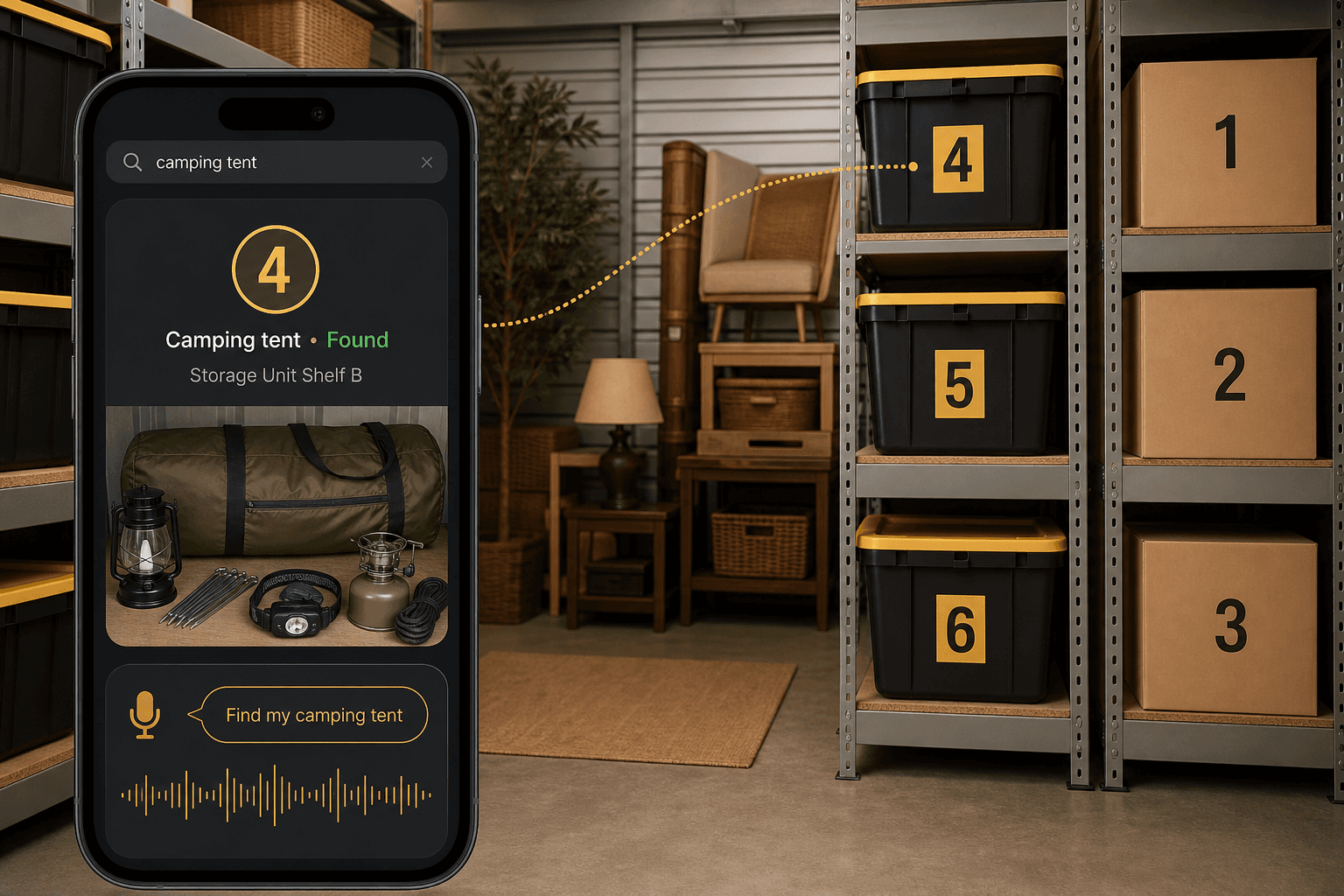
A self storage 5 x 10 unit feels roomy the first time you open the door.
It is bigger than a closet. Long enough for a mattress. Deep enough for a small couch, bins, boxes, camping gear, business supplies, or a studio apartment’s overflow.
Then you start filling it.
The mattress goes against the wall. The boxes stack higher. The holiday bins slide into the back. The camping gear goes wherever there is room. A small dresser becomes a shelf. The “just for a few months” unit slowly becomes a second closet you have to drive to.
And one day you need the camping tent.
Not everything in the unit.
Just that one thing.
That is when a 5x10 storage unit changes from “plenty of room” to “where did I put it?”
The goal is not only to make everything fit.
The goal is to make the unit usable later.
Quick Links
- What Is a Self Storage 5 x 10 Unit?
- What Fits in a 5x10 Storage Unit?
- What Does Not Fit Well in a 5x10?
- Who Should Use a 5x10 Storage Unit?
- 5x5 vs 5x10 vs 10x10: Which Size Makes Sense?
- How to Organize a 5x10 Storage Unit Before It Becomes a Mystery
- A Simple 5x10 Layout Map
- What to Keep Near the Front
- How Totely Helps Track a 5x10 Storage Unit
- Self Storage 5 x 10 FAQ
What Is a Self Storage 5 x 10 Unit?
A self storage 5 x 10 unit is usually listed as:
- 5 feet wide
- 10 feet deep
- 50 square feet of floor space
- often around 8 feet tall
- often around 400 cubic feet of total space
The exact usable space can vary by facility, ceiling height, door width, hallway access, unit shape, and whether the unit is indoor, drive-up, climate-controlled, or configured as 10 x 5 instead of 5 x 10.
So before renting, confirm the actual unit details with the facility.
A 5x10 is often compared to:
- a large walk-in closet
- a small bedroom
- a compact home office
- a studio apartment’s overflow
- about half of a small garage bay
That makes it one of the most useful small storage sizes.
It is big enough for real furniture and boxes.
It is still small enough that a bad layout can turn it into a wall of stuff.
What Fits in a 5x10 Storage Unit?
A 5x10 storage unit usually works best for compact furniture, boxes, bins, seasonal gear, and small-space overflow.
Common fits include:
- queen mattress and box spring
- king mattress, depending on unit dimensions and positioning
- small couch or loveseat
- dresser
- nightstand
- coffee table
- small dining table
- chairs
- TV stand
- bookshelf
- boxes of clothing
- household bins
- holiday decorations
- sporting equipment
- bikes
- camping gear
- office supplies
- business documents
- file boxes
- retail inventory
- small appliances
- dorm room overflow
- studio apartment overflow
- motorcycle or scooter, depending on facility rules and access
A 5x10 can hold a lot when items are disassembled, stacked, and organized.
But there is a difference between maximum capacity and usable storage.
If you pack the unit tightly from floor to ceiling, you may fit more.
But you may also make it impossible to find anything without unloading half the unit.
The smarter question is:
What can fit while still letting me retrieve the things I need?
What Does Not Fit Well in a 5x10?
A 5x10 is flexible, but it has limits.
It is usually not ideal for:
- the full contents of a two-bedroom apartment
- a full household move
- oversized sectional sofas
- several large furniture pieces at once
- a large dining set with hutch
- multiple major appliances
- cars or trucks
- oversized outdoor equipment
- long items that exceed the unit depth
- anything you need to browse frequently if you pack wall-to-wall
Some items may technically fit but still make the unit hard to use.
A couch can fit, but it may block access.
A mattress can fit, but it may cover the boxes behind it.
A motorcycle can fit, but it may leave less room for accessories than expected.
A stack of boxes can fit, but only if you know what is in each one.
A 5x10 works best when you plan the space before the first item goes in.
Who Should Use a 5x10 Storage Unit?
A 5x10 works best for people who need more than closet storage but do not need a full garage-sized unit.
Apartment renters
A 5x10 can help with overflow from a studio or small one-bedroom apartment.
Good examples:
- seasonal clothing
- luggage
- small furniture
- boxes
- guest bedding
- holiday decorations
- extra kitchen items
- sports gear
People moving or renovating
A 5x10 can work during short-term transitions.
Good examples:
- bedroom furniture
- packed boxes
- small couch
- rugs
- lamps
- décor
- kitchen overflow
- temporary staging items
If you are storing multiple rooms, you may need a larger unit.
College students
A 5x10 may be more space than some students need, but it can be useful when sharing storage or keeping furniture between leases.
Good examples:
- mini fridge
- bedding
- boxes
- desk chair
- small dresser
- dorm supplies
- seasonal clothing
Small business owners
A 5x10 can work as small off-site overflow.
Good examples:
- file boxes
- sample inventory
- event supplies
- signage
- shipping materials
- display items
- office chairs
- backup supplies
If you need frequent access, inventory counts, or fulfillment workflows, the organization system matters as much as the unit size.
Seasonal and hobby storage
A 5x10 is useful for bulky seasonal gear.
Good examples:
- camping gear
- bikes
- fishing gear
- snowboards
- holiday decorations
- patio cushions
- garden tools
- craft supplies
- sports equipment
This is where searchability really matters.
You may only need one item at a time.
5x5 vs 5x10 vs 10x10: Which Size Makes Sense?
Choosing the right storage unit is not only about square footage.
It is about how often you need access.
Choose a 5x5 when:
- you are storing mostly boxes
- you have little or no furniture
- the items are compact
- you rarely need access
- you want the lowest-cost option
- you only need closet overflow
Choose a 5x10 when:
- you have a mattress, small couch, dresser, or several boxes
- you need storage for a studio apartment or one furnished room
- you want enough depth for furniture plus boxes
- you may need a narrow access path
- you are storing seasonal gear, business supplies, or hobby items
- a 5x5 feels too tight but a 10x10 feels unnecessary
Choose a 10x10 when:
- you need to store a full one-bedroom apartment more comfortably
- you have several furniture pieces
- you want a real aisle
- you need to access stored items often
- you are storing multiple rooms
- you do not want to stack everything tightly
The 5x10 is the middle ground.
It is big enough to become useful.
It is still small enough to become frustrating without a layout.
How to Organize a 5x10 Storage Unit Before It Becomes a Mystery
A 5x10 gives you more room than a 5x5, but it still needs a plan.
Do not treat it like an empty closet.
Treat it like a small room with zones.
1. Start with a storage inventory
Before you rent, write down what you plan to store.
Use simple groups:
- bedroom furniture
- boxes of clothing
- holiday decorations
- camping gear
- small business supplies
- file boxes
- sports gear
- tools
- patio items
- student dorm items
Then mark each group as:
- frequent access
- seasonal access
- rare access
- fragile
- heavy
- climate-sensitive
- valuable
- should not be buried
This takes a few minutes.
It saves many future trips.
2. Measure large items
Measure anything that could control the layout:
- mattress
- couch
- dresser
- bookshelf
- table
- motorcycle
- bike
- shelving unit
- large bin stack
- appliance
- long tools or gear
A 5x10 has more length than width.
Large items can fit, but only if they do not block the rest of the unit.
3. Build around a center path
If you will return to the unit, keep a narrow center path or front access area.
You may not have room for a perfect aisle.
But you can avoid sealing everything behind one wall of boxes.
A useful 5x10 layout usually has:
- large furniture along one wall
- stacked boxes along the other wall
- low-access items at the back
- frequent-access items near the front
- a narrow path or reach zone down the middle
- visible numbers facing outward
The path is what keeps the unit from becoming a mystery.
4. Put heavy items low
Heavy boxes and bins should go on the floor or low in the stack.
Good low-stack items:
- books
- files
- tools
- small appliances
- dense kitchen items
- hardware
- business records
Lighter items can go higher:
- bedding
- clothing
- pillows
- holiday décor
- soft bags
- empty luggage
- lightweight seasonal items
This helps protect belongings and makes stacks easier to manage.
5. Keep frequent-access items near the door
Think about what you might need before the rental ends.
Common front-access items include:
- camping tent
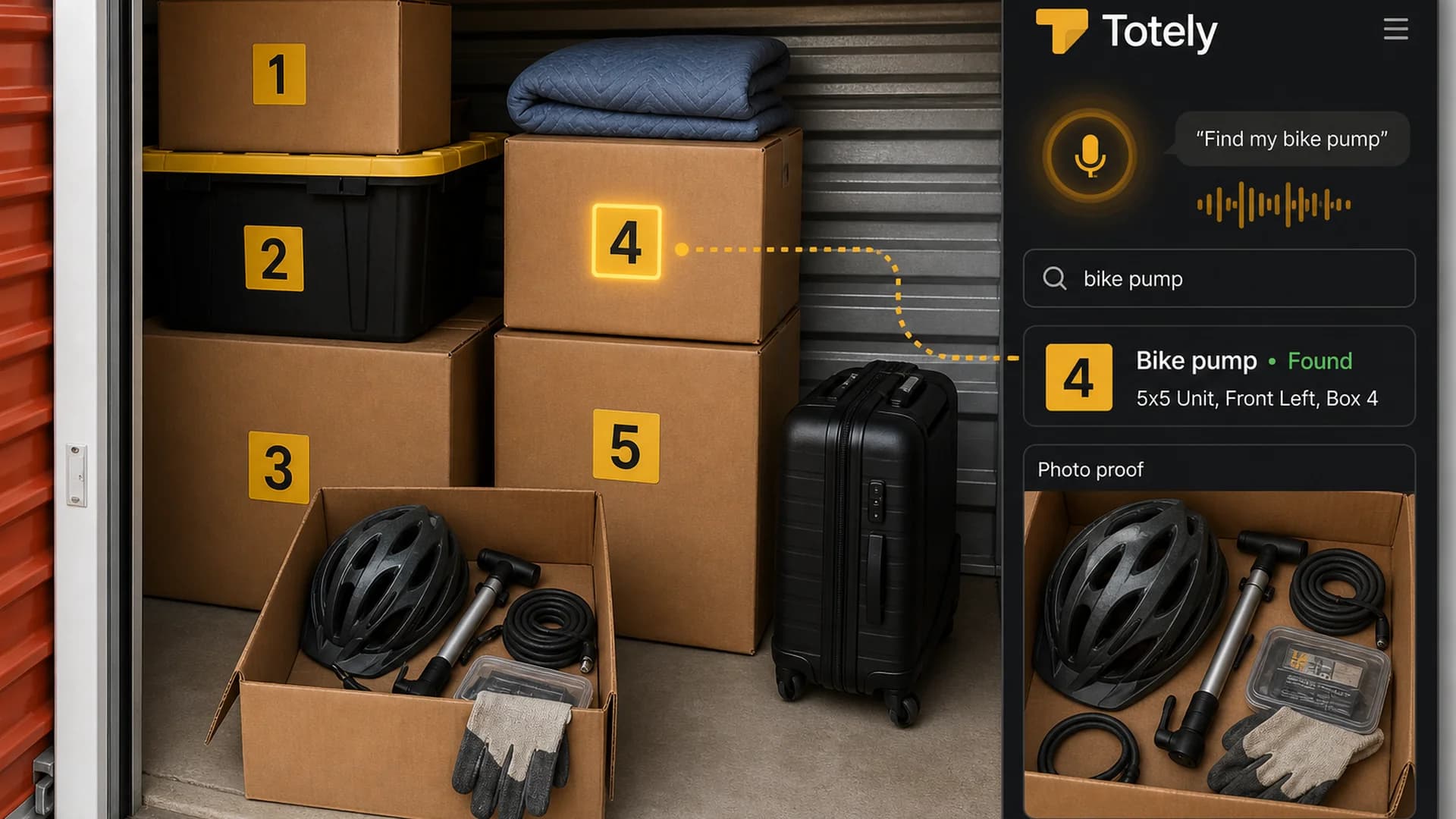
- bike pump
- winter gloves
- printer ink
- holiday lights
- sports gear
- file box
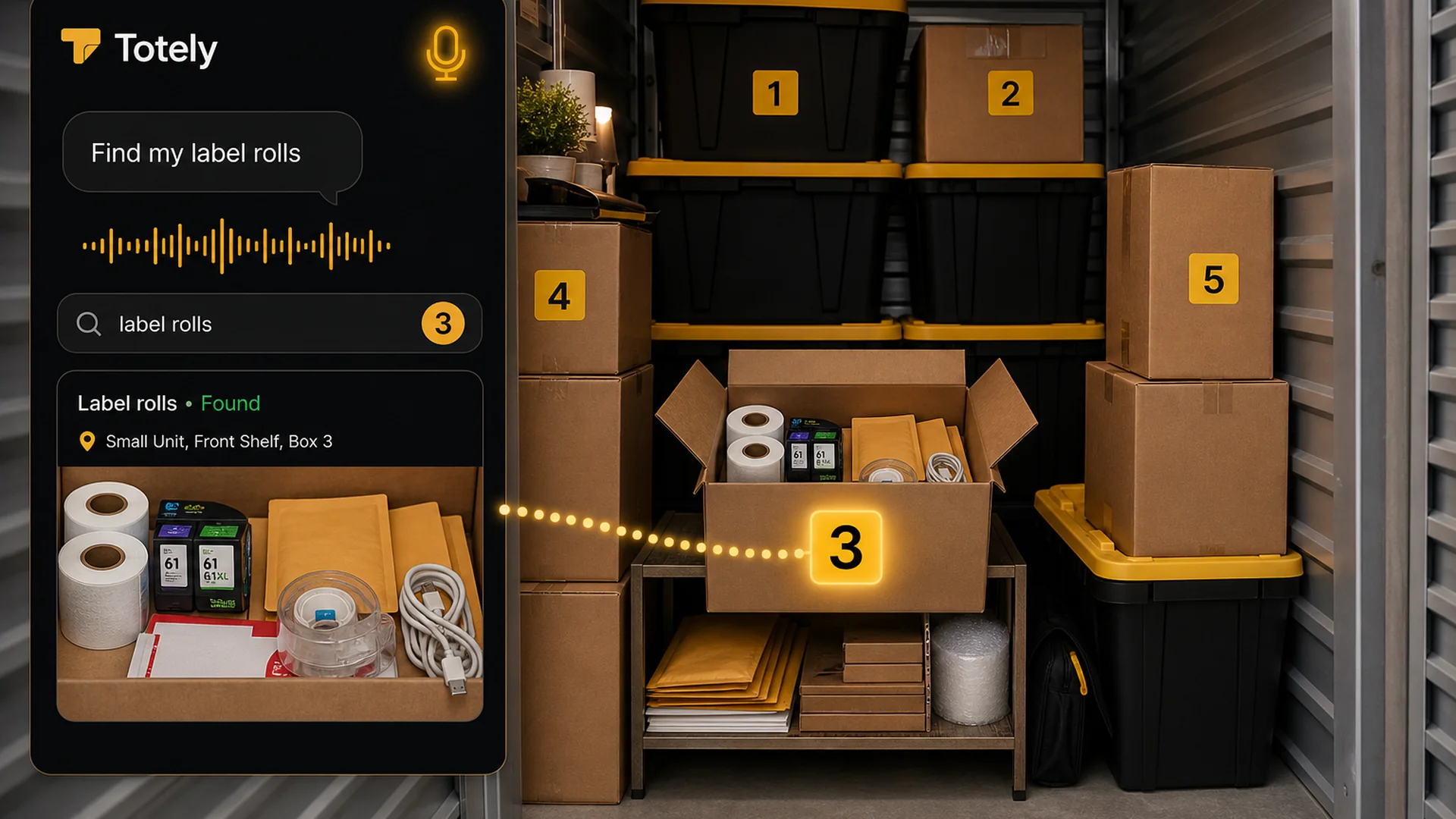
- label rolls
- business supplies
- luggage
- school items
- tool kit
- event supplies
If you may need it soon, it does not belong behind the mattress.
6. Number containers instead of writing long labels
Long labels become outdated.
Simple visible numbers stay useful.
Use:
- Box 1
- Box 2
- Tote 3
- Bin 4
- Shelf 5
- Box 6
The outside stays readable.
The digital record holds the details.
7. Photograph contents before stacking
Before each box, bin, or tote goes in, take a clear photo.
If the container has layers, take two photos.
This is especially helpful for:
- holiday bins
- clothing bins
- camping gear
- business supplies
- sports gear
- tools
- office backstock
- sentimental boxes
A photo shows the thing you forgot to list.
That matters when the box is at the back of a 5x10.
A Simple 5x10 Layout Map
Use this as a starter map.
A 5x10 is narrow and deep, so name locations by position.
| Zone | Best use | Example |
|---|---|---|
| Back Wall | Low-access or seasonal items | holiday décor, keepsakes, off-season clothing |
| Left Wall | Furniture or long items | mattress, bookshelf, dresser, folded table |
| Right Wall | Stackable boxes and totes | labeled boxes, storage bins, file boxes |
| Center Path | Access zone | narrow walking/reach path |
| Front Left | Frequent-access items | documents, tool kit, luggage |
| Front Right | Seasonal or hobby items | camping tent, sports gear, bike pump |
| Top Layer | Light items | pillows, bedding, soft bags |
| Floor Layer | Heavy items | books, tools, files |
Example 5x10 container map
| Container | Location | Contents | Access note |
|---|---|---|---|
| Box 1 | Back Wall, Floor Layer | holiday decorations, wreath hooks | seasonal |
| Tote 2 | Back Wall, Top Layer | off-season clothes, scarves | check in fall |
| Box 3 | Right Wall, Bottom Stack | books, office files | heavy |
| Bin 4 | Right Wall, Middle Stack | printer ink, label rolls, envelopes | check before buying |
| Tote 5 | Left Wall, Behind Dresser | guest sheets, towels | medium access |
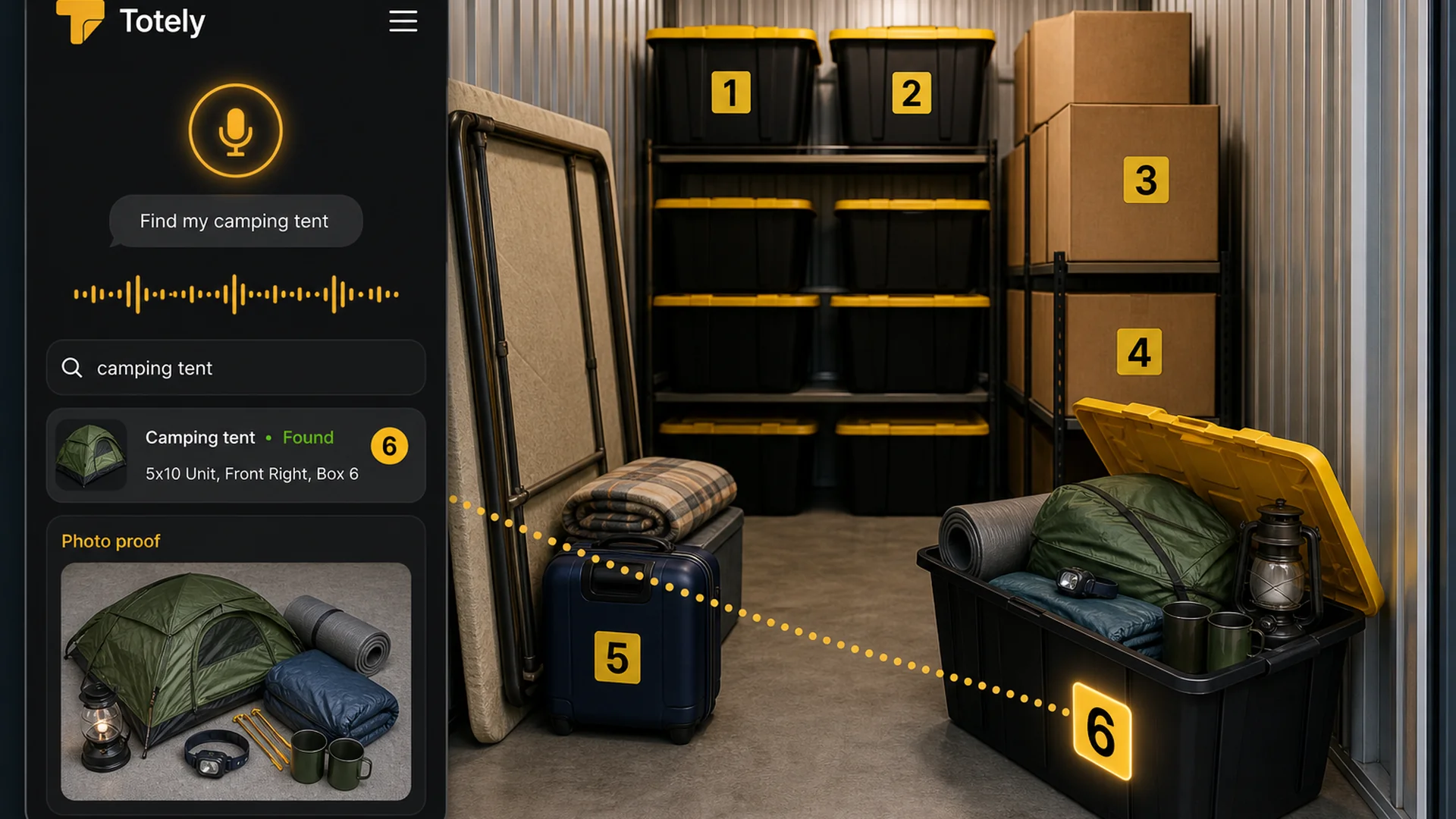
| Box 6 | Front Right | camping tent, stakes, lantern, tarp | front access |
| Bag 7 | Front Left | luggage, travel adapters | front access |
| File Box 8 | Front Left Shelf | tax folders, lease paperwork | keep dry |
This is not complicated.
That is the point.
A 5x10 does not need a warehouse map.
It needs enough structure that you can find what you came for.
What to Keep Near the Front
Use the front of the unit for things life might ask for unexpectedly.
Good front-access items include:
- camping tent
- tool kit
- bike pump
- helmets
- printer ink
- label rolls
- holiday lights
- travel bags
- tax folders
- business records
- sports gear
- rain jackets
- winter gloves
- extra cables
- moving paperwork
Put rare-access items in the back.
Good back-wall items include:
- archived keepsakes
- out-of-season décor
- extra furniture
- items you will not touch until move-out
- empty boxes
- off-season bins
The front is for active storage.
The back is for parked storage.
What Not to Store in a 5x10 Storage Unit
Rules vary by facility, so check your rental agreement and ask the facility directly.
In general, storage facilities commonly restrict or prohibit:
- living things
- plants
- animals
- perishable food
- refrigerated or frozen food
- hazardous materials
- fuel
- propane
- ammunition
- illegal items
- leaking liquids
- unregistered, uninsured, or non-working vehicles
Also be careful with items that may require special storage conditions:
- photographs
- important documents
- electronics
- artwork
- antiques
- musical instruments
- wood furniture
- leather
- collectibles
- sensitive business inventory
For those, ask about climate control, insurance, and facility policies.
Totely can help you remember what is stored and where it is.
It does not replace facility rules, insurance documentation, climate guidance, manufacturer care instructions, or common-sense storage safety.
How Totely Helps Track a 5x10 Storage Unit
Totely gives your storage unit a digital memory layer.
That matters because a 5x10 often holds enough stuff to forget, but not enough space to dig comfortably.
Here is the workflow:
- Number every box, bin, tote, shelf, or storage zone.
- Take a photo before each container goes into the unit.
- Let AI build the first item list from what it can see.
- Review or edit the record so it uses the words you would actually search later.
- Save the exact location, such as
5x10 Unit, Front Right, Box 6. - Add notes for fragile, heavy, seasonal, front access, business, sentimental, or check-before-buying.
- Search naturally later for
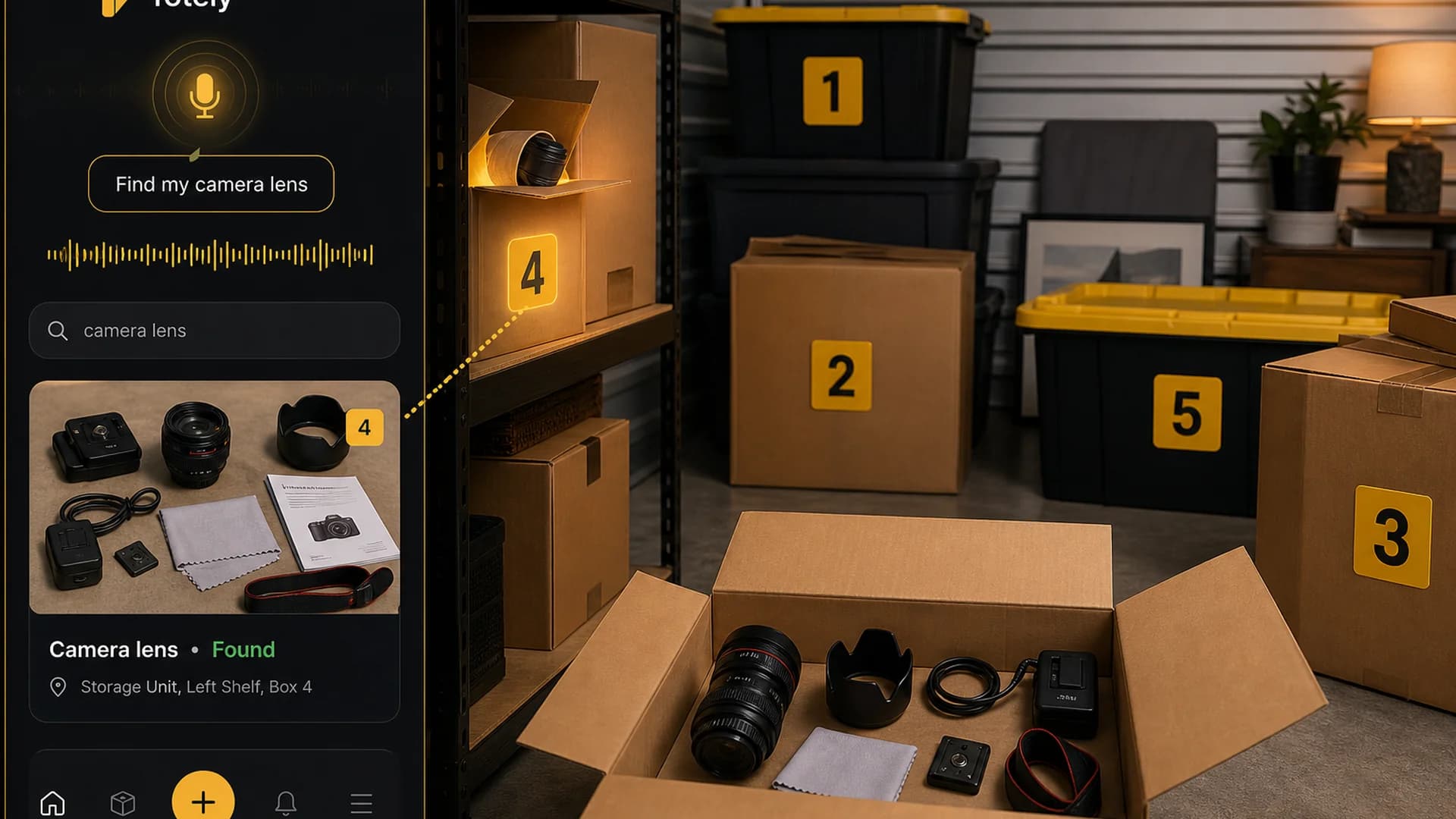
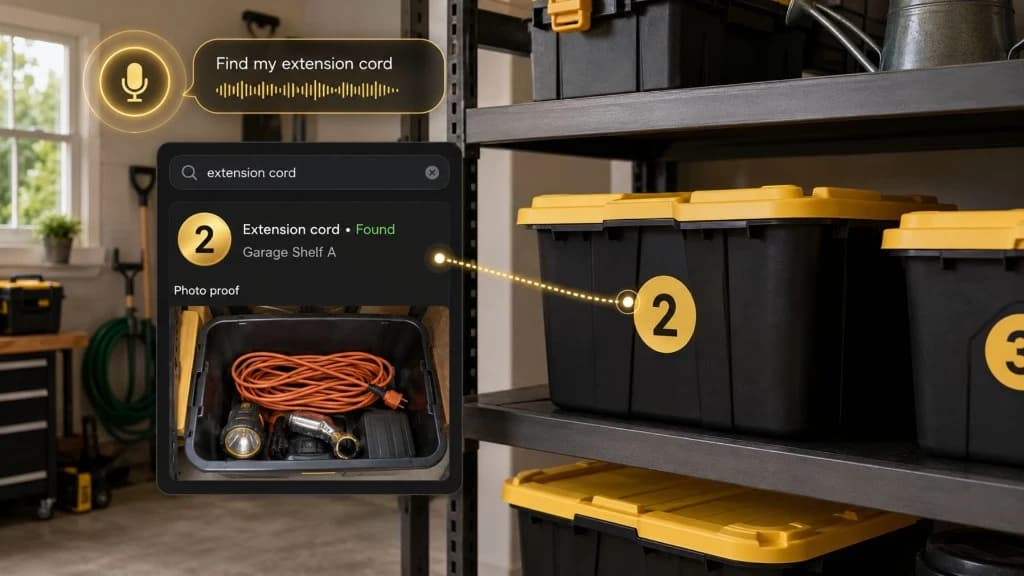
camping tent,printer ink,holiday lights,guest sheets, orbike pump. - Use photo proof before driving to the unit or moving half the stack.
The unit still holds the stuff.
Totely remembers where it is.
A 5x10 Packing Plan You Can Copy
Use this version when you want the unit to stay usable.
Back Wall
Put low-access items here:
- holiday décor
- keepsakes
- out-of-season bins
- items you will not need until move-out
Left Wall
Use for long or flat items:
- mattress
- bed frame
- folded table
- bookshelf
- dresser
- disassembled furniture
Right Wall
Use for stacked boxes and bins:
- clothing boxes
- file boxes
- office supplies
- small kitchen overflow
- sports gear
- household bins
Center Path
Keep this open if you will return to the unit.
Even a narrow path helps you reach the back without unloading everything.
Front Right
Use for active storage:
- camping tent
- tool kit
- printer ink
- holiday lights
- luggage
- sports gear
Front Left
Use for important or easy-reference items:
- documents
- moving paperwork
- business files
- tax folders
- labeled supply boxes
This plan gives the unit a memory.
The labels help you see.
The map helps you reach.
The photos help you confirm.
The search helps you avoid guessing.
Self Storage 5 x 10 FAQ
How big is a self storage 5 x 10 unit?
A self storage 5 x 10 unit is usually 5 feet wide by 10 feet deep, giving 50 square feet of floor space. Many units are around 8 feet tall, which is often described as about 400 cubic feet, but exact height and usable space vary by facility.
What fits in a 5x10 storage unit?
A 5x10 storage unit can often fit boxes, bins, a queen mattress, small couch or loveseat, dresser, nightstand, TV stand, small dining table, bikes, sports gear, seasonal items, business supplies, or studio apartment overflow. Measure large items before renting.
Can a couch fit in a 5x10 storage unit?
A standard couch or loveseat often fits in a 5x10, but oversized couches or sectionals may not fit well. If the couch blocks access to the rest of the unit, a larger unit may be more practical.
Can a queen mattress fit in a 5x10 storage unit?
Yes, a queen mattress can usually fit in a 5x10 storage unit. Store it properly, protect it with a mattress bag, and make sure it does not block the containers you may need to reach.
Can a motorcycle fit in a 5x10 storage unit?
A motorcycle may fit in many 5x10 storage units, depending on the motorcycle, unit access, door width, and facility rules. Confirm vehicle storage requirements with the facility before renting.
Is a 5x10 storage unit big enough for a one-bedroom apartment?
A 5x10 can sometimes hold the contents of a studio or one furnished room. For a full one-bedroom apartment with several furniture pieces, a 10x10 may be easier and more usable.
How much does a 5x10 storage unit cost?
The cost of a 5x10 storage unit varies by location, facility, availability, climate control, access type, security, and promotions. Always check current pricing with local facilities instead of relying on a single national estimate.
Should I choose a 5x10 or 10x10 storage unit?
Choose a 5x10 if you have compact furniture, boxes, and seasonal or overflow items. Choose a 10x10 if you need to store multiple rooms, want a real aisle, or expect to access items often.
How do I organize a 5x10 storage unit?
Organize a 5x10 by retrieval frequency. Put low-access items in the back, long furniture along one wall, stackable boxes along the other wall, and frequent-access items near the front. Number every container, photograph contents, save exact positions, and keep a simple map.
Make the 5x10 Searchable Before You Close the Door
A 5x10 storage unit gives you useful room.
Enough for furniture.
Enough for boxes.
Enough for a small life transition, a hobby setup, seasonal overflow, or business supplies.
But if everything goes in without a map, it becomes a mystery fast.
Before you close the door, give the unit a memory.
Number the containers. Photograph the contents. Save the zones. Keep front-access items where you can reach them. Search before you unload the stack.
With Totely, your 5x10 can stay simple on the outside and specific on the inside.
Stored, not lost.