How to Store Pillows Without Flattening—or Losing the Right One
Learn how to store pillows by fill, use, and space—then map each bag, bench, or box so the exact guest or seasonal pillow stays easy to find.
By Steve Watts · Co-Founder, Totely
October 26, 2026 · Updated October 26, 2026 · 14 min read
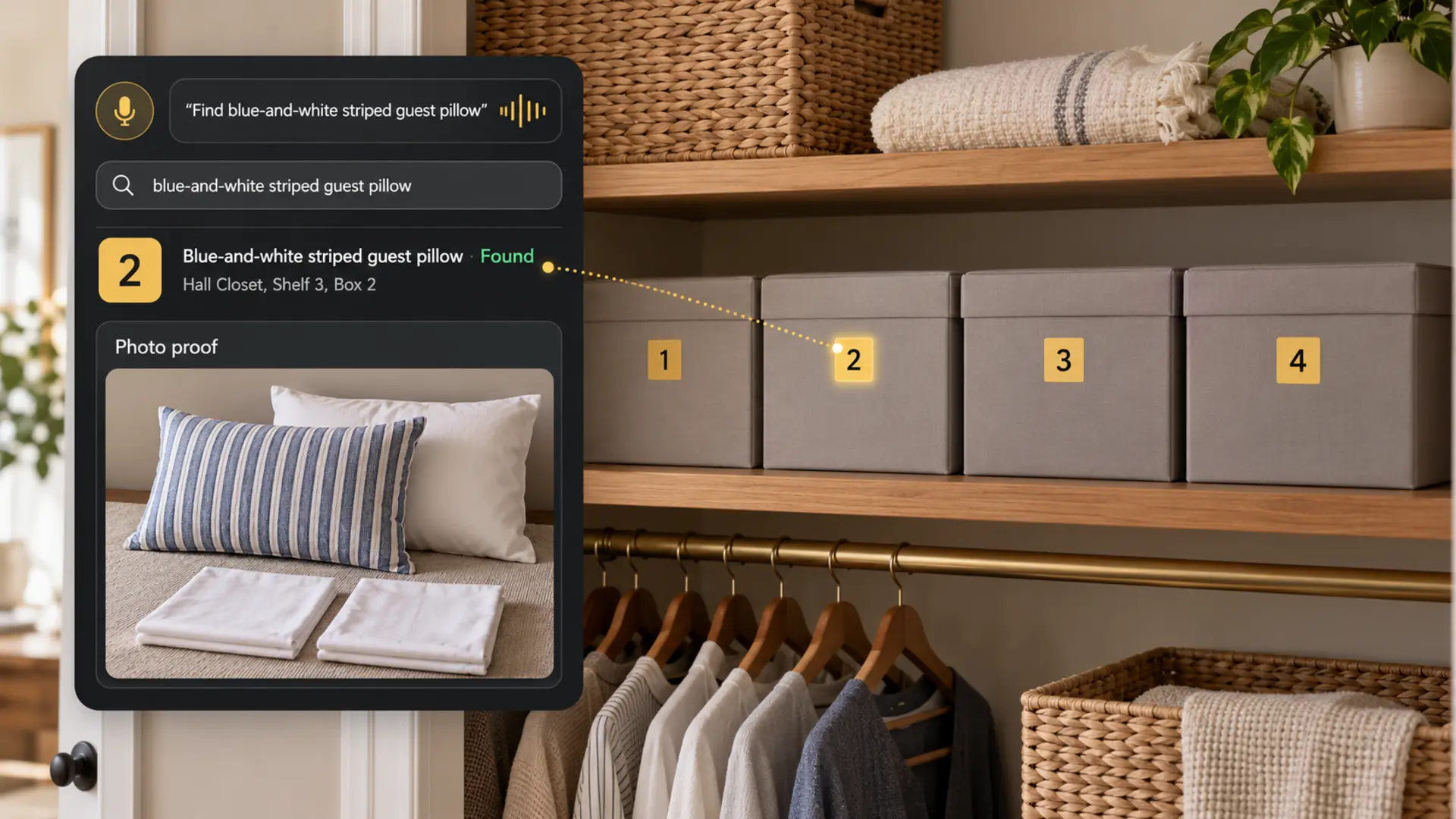
The blue-and-white striped guest pillow is not on the guest bed. It might be in the hall closet, under the primary bed, or inside the bench where decorative pillows go after the holidays. The pillow is technically stored—but until you know which container holds it, it is not very useful.
Learning how to store pillows starts with the physical problem. Pillows need protection from dust, dampness, crushing, sharp hardware, and whatever else shares the storage space. The right method also depends on whether a pillow comes out every night, once a season, or only when guests arrive.
The practical answer is to sort pillows by use, follow each care label, store them only when clean and completely dry, and give anything that depends on loft enough room to keep its shape. For closed storage, number the container and record its exact location so one specific pillow stays findable.
Quick Links
Choose Storage by Use and Fill
Do not begin with a vacuum bag or a giant bin. Begin with the pillow itself.
Ask five questions:
- How often will you need it? A pillow removed from the bed every night needs a nearby landing spot. A holiday pillow can live farther away.
- What is inside it? Foam, latex, down, feather, polyester fiber, and decorative inserts do not all respond to cleaning or pressure the same way.
- Can the cover come off? Storing removable decorative covers separately may save much more space than storing every insert.
- How long will it be stored? A short move and a year in a closet are different jobs.
- What is the storage area like? Look for dampness, leaks, temperature swings, dust, pests, strong odors, sunlight, and enough room to avoid crushing.
Use this as a starting point. The sewn-in care label and the pillow maker's instructions should take priority.
| Pillow or situation | Practical first choice | Main risk to check |
|---|---|---|
| Pillows removed from a made bed nightly | Clean bench, lidded basket, storage ottoman, or dedicated closet shelf near the bed | Floor contact, dust, pets, and a container that blocks the walkway |
| Guest sleeping pillows | Roomy fabric bag or clean shelf with protectors, close to the guest room | Packing them away before they are fully dry or placing heavy items on top |
| Seasonal decorative pillows | Store removable covers flat when possible; place inserts loosely in a breathable bag or roomy box | Crushed trim, snagged fabric, and losing the matching cover set |
| Foam or latex pillow | Store in its natural shape with support, following the maker's instructions | Folding, bending, liquid cleaning, heat, and prolonged compression |
| Down or feather pillow | Roomy storage that protects loft, following the care label | Incomplete drying, clumping, and weight from other items |
| Synthetic-fill pillow | Shelf, roomy bag, or suitable container; compression only if the maker permits it | Assuming every synthetic fill will recover after long compression |
| Outdoor pillow | Clean, fully dry indoor seasonal storage when practical | Putting away hidden moisture, soil, or pollen after outdoor use |
The largest container is not automatically the best. A bag that holds eight pillows may be a poor choice if the bottom pillows are flattened or the bag is too heavy to retrieve safely.
Prepare Pillows Before Storage
Storage does not pause stains, moisture, or small tears. Inspect each pillow on a clean, dry surface before it disappears into a bag or box.
Edit the collection first
Make four groups:
- Used now
- Used for guests or a specific season
- Covers that can be stored without their inserts
- Repair, donate, repurpose, recycle where accepted, or discard
A decorative pillow with a removable zip cover may not need to occupy a full cubic foot all year. Keep a smaller number of versatile inserts in circulation and store labeled cover sets flat, if the cover care and construction allow it.
Do not donate a sleeping pillow without checking the receiving organization's current policy. Hygiene and textile-recycling rules vary.
Follow the actual care label
Remove pillowcases and protectors, check seams and zippers, and look for stains or odors. Wash, spot-clean, dry-clean, or air the pillow only as its instructions permit.
The IKEA pillow and duvet care guide separates guidance by material and emphasizes that pillows should be clean and dry before storage. That principle is useful; the exact washing and drying method still belongs to the specific product label.
Maker directions can differ sharply. Tempur-Pedic's product-care guidance says not to wash TEMPUR material, while covers on many of its pillows can be removed and washed. Casper's pillow-care instructions provide different steps for its own models and emphasize thorough drying for washable pillows. These are reminders to follow the maker—not universal directions for every foam, down, or fiber pillow.
Confirm the center is dry
A thick pillow can feel dry on the surface while holding moisture deeper in the fill. Use the approved drying method, allow enough time, and check the core, seams, and corners before enclosing it.
Do not spray fragrance over a musty odor and seal the pillow away. Find the source, inspect the storage area, and clean or replace the pillow as appropriate.
Store Everyday and Decorative Pillows
Pillows that move every day need a short path home. The best nightly solution is not the one that looks clever in a photo; it is the one people will actually use.
Give bed pillows a landing zone
A clean storage bench at the foot of the bed, a roomy basket beside a dresser, or a dedicated closet shelf can keep decorative bed pillows off the floor. The container should open easily, avoid pinching fabric, and sit outside the walking path.
Do not force the pillows into a small basket. If the sides bow, the zipper strains, or the pillow must be folded sharply, choose a larger location or store fewer inserts.
Keep sofa pillows near the sofa
A lidded ottoman or clean cabinet can hold pillows that come off the couch during movie night or when guests need more seating. An open basket works for frequent access when dust, pets, and spills are manageable.
Use the return rule that matches the room: all current living-room pillows return to the ottoman; seasonal covers return to Cover Box 1. A rule is easier to follow than a vague instruction to “put them away.”
Separate covers when it makes sense
For removable decorative covers:
- Clean them according to the label.
- Dry them completely.
- Close zippers or fasteners as the construction allows.
- Fold or lay them flat without crushing trim or embellishment.
- Group each set by room or season.
- Record which inserts fit the set.
Keep fragile embroidery, beads, tassels, painted fabric, leather details, or unstable dyes away from rough hardware and unverified storage materials. Valuable or heirloom textiles may need professional advice.
Store Guest and Seasonal Pillows
Guest and seasonal pillows are easy to forget because they spend more time out of sight than in use. Give them a defined home and a simple changeover routine.
Build a guest-ready set
Keep the guest pillows, clean protectors, pillowcases, and the correct bed size connected in your inventory, even if they are not in one container. A useful record might say:
- Blue-and-white striped guest pillow — Box 2
- White standard guest pillow — Box 2
- Two clean standard pillowcases — Linen Drawer 1
- Queen guest sheets — Sheet Bag 3
That is more useful than a label that says bedding.
Before guests arrive, remove the pillows with enough time to inspect, air, and prepare them according to their care instructions. Do not discover a stain or damaged seam while someone is waiting to make the bed.
Reset seasonal pillows as a set
When a season ends:
- Remove and prepare the covers according to their labels.
- Inspect inserts for damage, odor, or lost shape.
- Decide which inserts stay in circulation.
- Store cover sets by room and season.
- Save a photo of the set before closing the container.
- Update the location if the box moves.
This turns next year's decorating into retrieval instead of archaeology.
Use Closets, Under-Bed Space, and Furniture
Choose the location before buying the container. Measure the usable width, depth, and height, including door hinges, shelf supports, bed frames, and the clearance needed to lift a lid or pull a bag forward.
Closet shelves
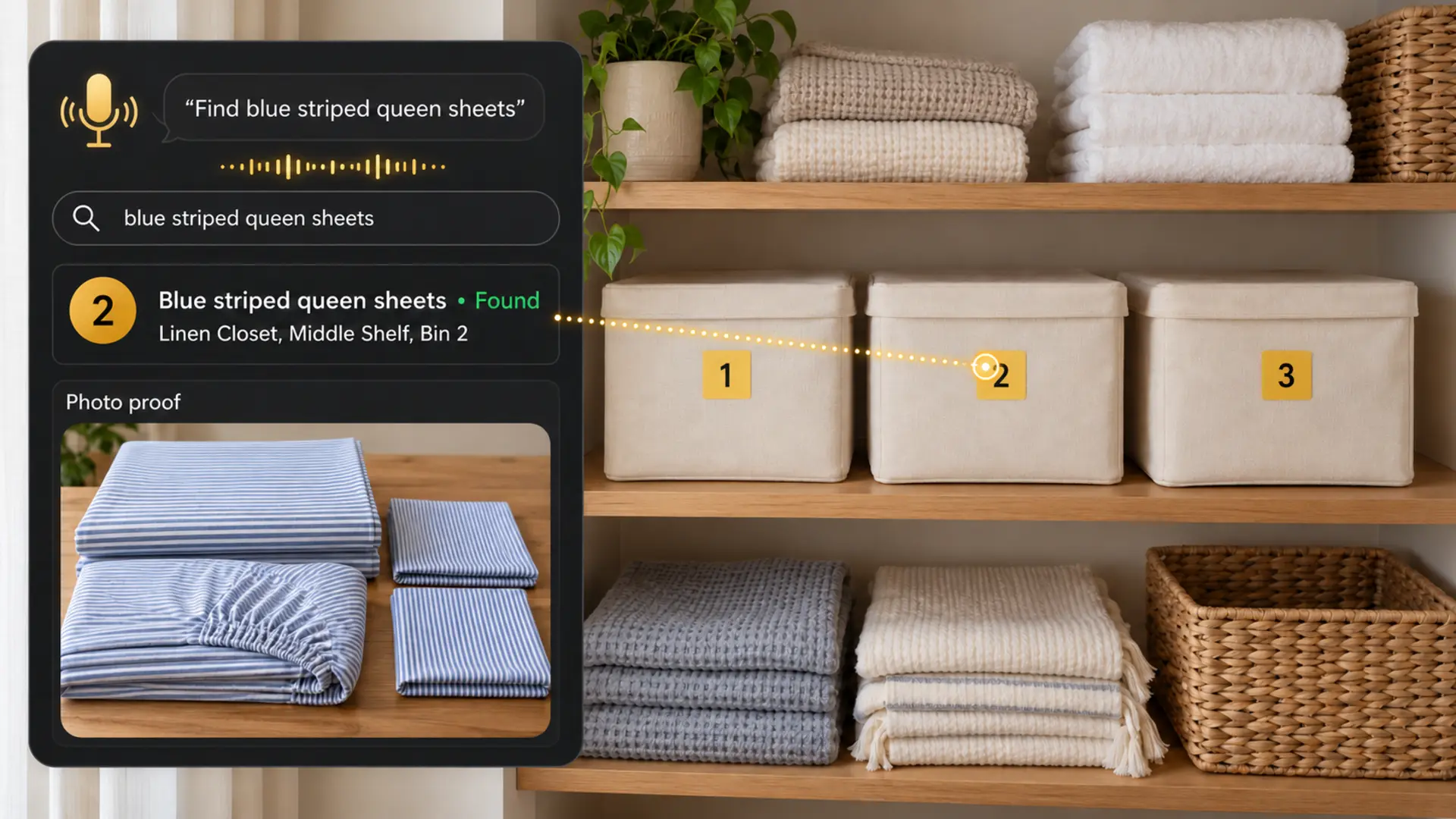
A clean interior closet is often practical because it is accessible and easier to inspect than an attic, shed, or damp basement. Keep the pillow group shallow enough that one can come out without toppling the rest.
Use shelf dividers or a roomy fabric bag to keep pillows upright if that position does not bend or crowd them. Put lightweight pillows above heavier items rather than using pillows as a base for boxes.
Under-bed storage
Under-bed space can work for pillows that fit without hard compression. Measure first and choose a container that slides out without scraping or straining. Keep it clear of blocked vents and floors with a history of moisture.
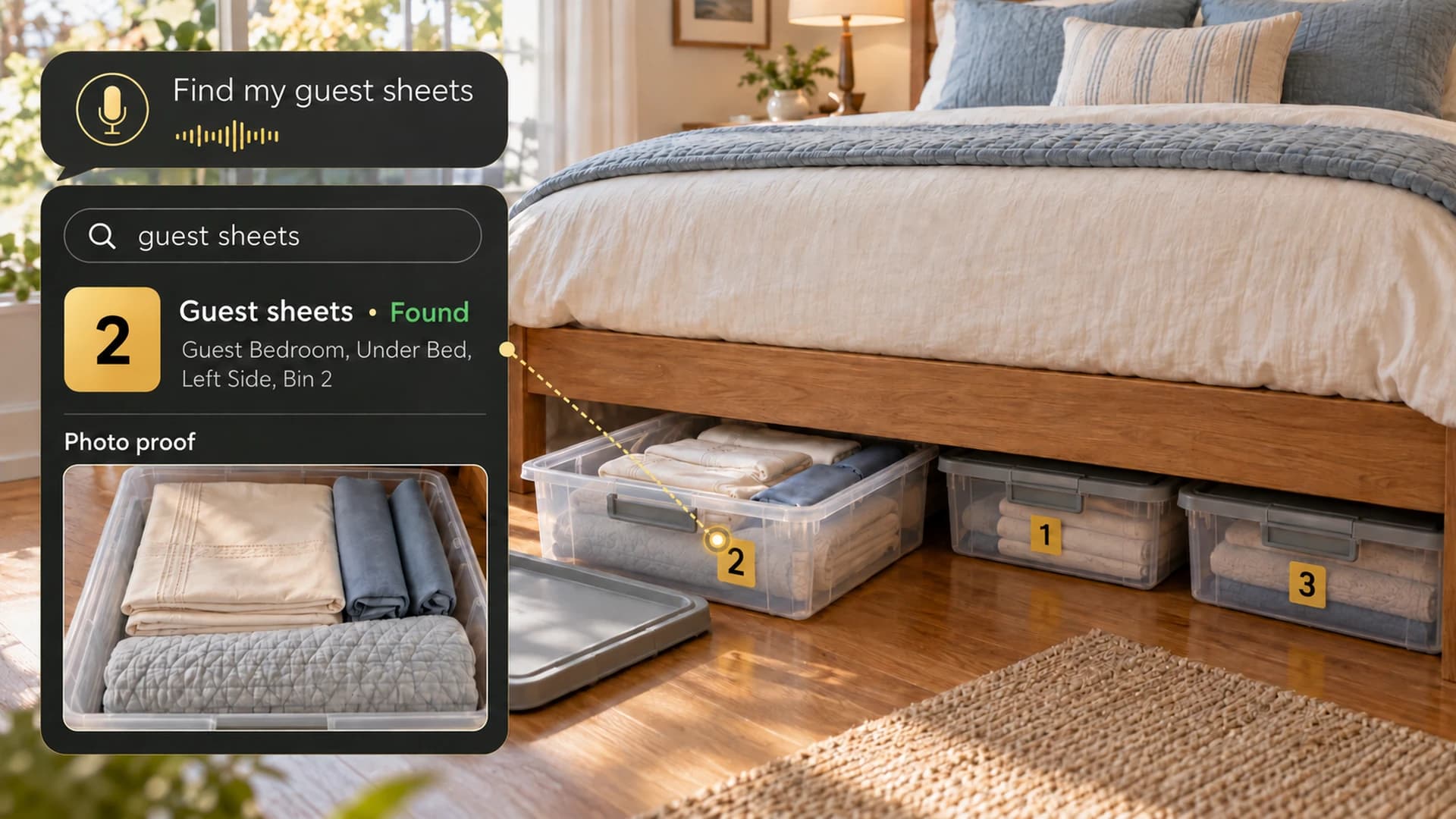
Give each container a side and number: Guest Room, Under Bed, Right Side, Box 2 is much easier to follow than “under a bed somewhere.” For more layout tradeoffs, see the guide to under-bed storage bins.
Benches and ottomans
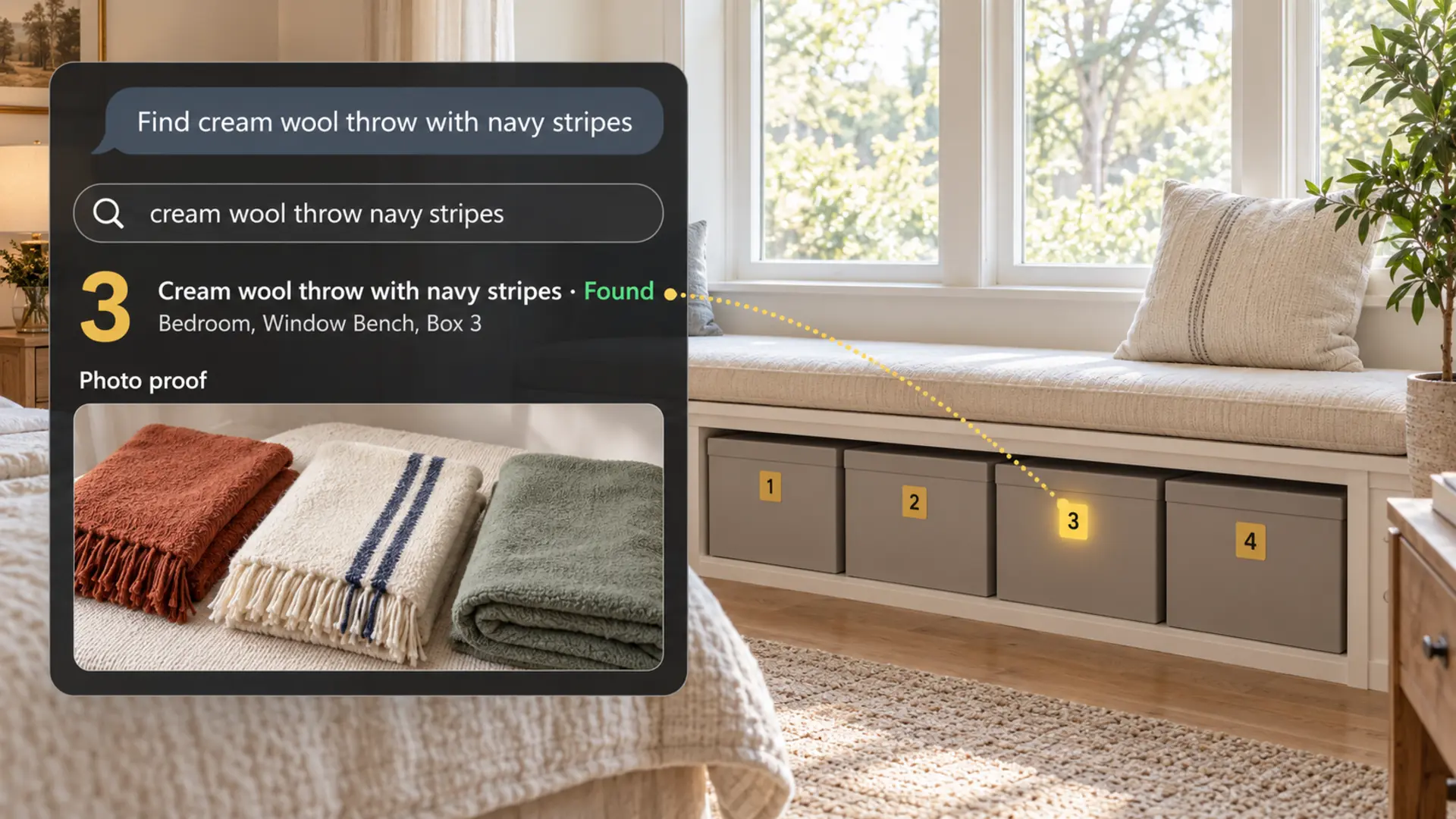
Furniture storage is best for frequent-use pillows near the room where they belong. Check the inside for rough wood, exposed staples, rust, dust, strong odors, and hardware that can catch fabric.
Put the most-used pillows on top. If the lid is heavy or drops suddenly, choose another storage method for anyone who cannot operate it safely.
Baskets and open shelves
Open storage favors access, not long-term protection. Use it for current pillows in a clean room, not as a promise that fabric will stay protected from dust, sunlight, pets, or spills.
For a tight home, keep only the active layer on display. Move seasonal covers or spare inserts to protected storage using the ideas in seasonal storage for small homes.
Avoid Compression Mistakes
Vacuum bags look like an instant space solution, but pillow fill determines whether compression is appropriate.
Do not vacuum-seal a pillow simply because it fits. Check the care label or maker's guidance first. Foam and latex can be damaged by bending or prolonged pressure, while down and feather depend on loft. Even a synthetic pillow may not recover as expected after a long period if the maker does not approve compression.
Avoid these common mistakes:
- Storing a pillow before its center is completely dry
- Folding a foam pillow to fit a short shelf
- Placing boxes or heavy linens on top of lofty pillows
- Packing decorative trim against a zipper or rough basket
- Using a hot attic, damp basement, or outdoor shed without evaluating conditions
- Combining guest pillows with pet bedding or strong-smelling household supplies
- Assuming a sealed plastic container can correct damp contents
- Forgetting which cover fits which insert
- Leaving a deep bag unnumbered and unreviewed for years
For long-term household storage, the University of Missouri Extension has also advised preparing textiles before they go into storage. Treat that as general context, then use the current care instructions for the actual pillow in front of you.
Make Every Pillow Findable
A bag labeled pillows identifies a category. It does not tell you whether the blue-and-white guest pillow is inside.
Use a simple number on each closed container and save an exact address:
| Number | Exact location | Main contents | Useful search words |
|---|---|---|---|
| 1 | Primary Bedroom, Ottoman | Current decorative bed pillows | cream lumbar, rust velvet square, nightly bed pillows |
| 2 | Hall Closet, Shelf 3 | Guest sleeping pillows | blue-and-white striped guest pillow, white standard pillow, guest room |
| 3 | Guest Room, Under Bed, Right Side | Seasonal pillow inserts | two 20-inch square inserts, winter decor, holiday pillow inserts |
| 4 | Linen Closet, Lower Drawer | Removable decorative covers | autumn leaf covers, blue summer covers, 20-inch zip covers |
Now “Where is the blue-and-white striped guest pillow?” has a usable answer: Hall Closet, Shelf 3, Box 2.
If you move Box 2 under the guest bed, update the saved location immediately. If a pillow goes to cleaning or repair, record that temporary status rather than leaving the box to give a wrong answer.
For the same approach across the rest of the house, see how to keep track of storage bins.
How Totely Helps
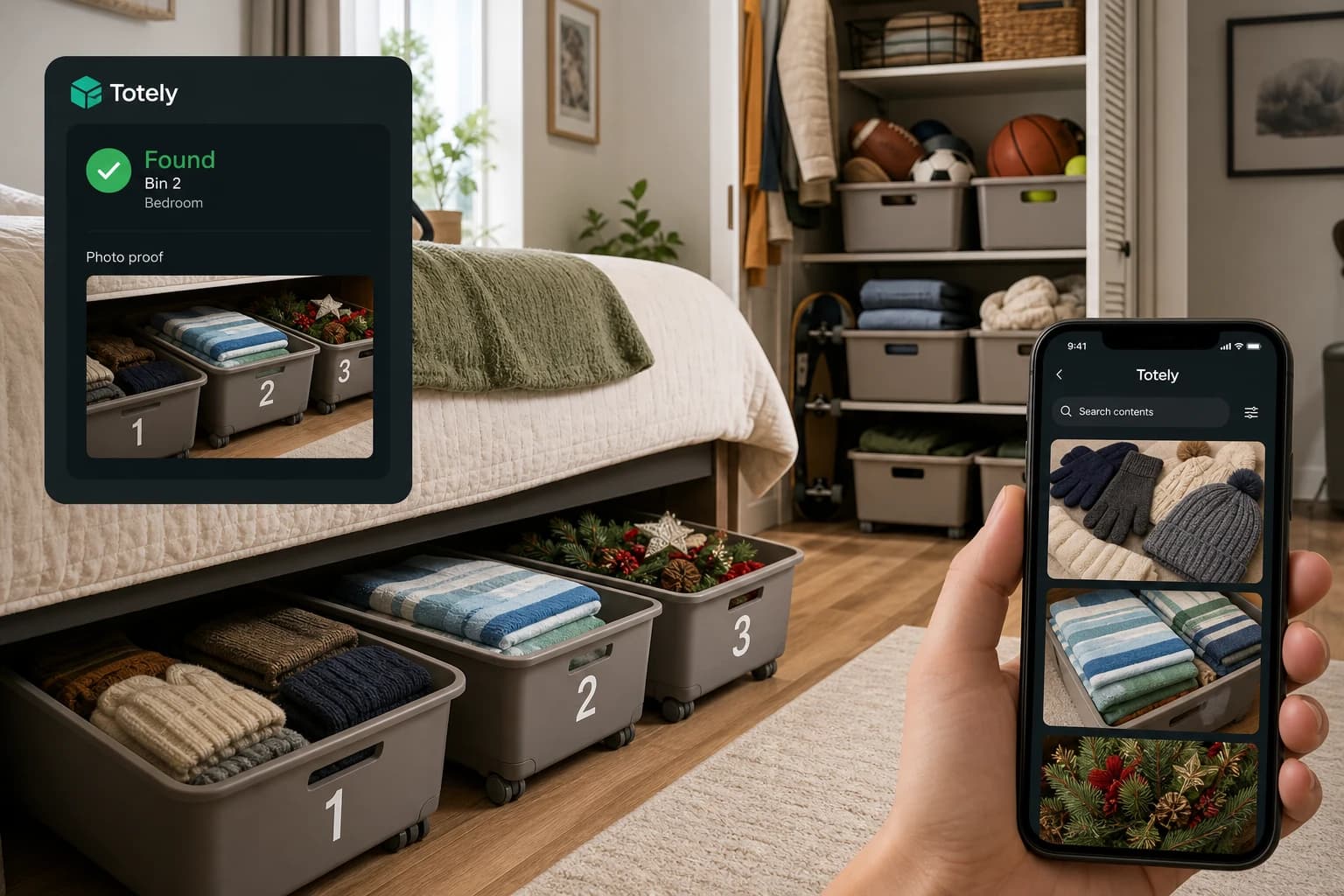
The shelf, bag, bench, or box protects pillows physically. Totely adds the memory layer that helps you find one after it disappears from view.
Use a small workflow:
- Put a visible yellow number 2 on the closed pillow box.
- Take an overview photo while the contents are visible and safely arranged.
- Let Totely suggest an item list from the photo.
- Review the list and correct it: blue-and-white striped guest pillow, not simply pillow.
- Save the exact location: Hall Closet, Shelf 3, Box 2.
- Later, search naturally for blue-and-white striped guest pillow and use the photo proof to confirm the right container before opening it.
AI can help draft the list, but the household should review it. A photo can miss a pillow underneath another one, confuse similar patterns, or fail to capture a removable cover stored elsewhere. The number, location, reviewed list, and image should agree.
If you want to test the system without reorganizing the entire linen closet, start with the One-Tote Test.
A 20-Minute Pillow Storage Reset
Choose one shelf, bag, bench, or under-bed space—not the whole house.
- Gather the pillows assigned to that location.
- Separate current, guest, seasonal, and cover-only storage.
- Check labels and set aside anything that needs cleaning, drying, or repair.
- Measure the available space.
- Return only clean, fully dry pillows without forcing them.
- Put the most frequently used pillow within easiest reach.
- Number the closed container if you cannot see the contents.
- Photograph, review the item list, and save the exact location.
The goal is not to fit every pillow into one bag. It is to create one storage location that protects its contents and answers a future search correctly.
Pillow Storage FAQs
What is the best way to store pillows?
Store pillows clean and completely dry, follow the care label, protect them from dust and dampness, and avoid pressure that could damage the fill. Choose the location by how often you need the pillow, then number any closed container and record its exact location.
Can pillows be stored in plastic bags or bins?
They can be suitable in some situations, but a sealed container can trap moisture if the pillow is not fully dry. Check the pillow maker's directions, the expected storage duration, and the conditions around the container before choosing plastic.
Can you vacuum-seal pillows?
Only when the manufacturer permits it for that specific pillow. Do not assume foam, latex, down, feather, or synthetic fill will tolerate prolonged compression. A roomy bag or shelf is the safer default when the guidance is unclear.
Is it better to store pillows flat or upright?
Either may work when the pillow is supported in its natural shape and not bent or crushed. Foam pillows often need flat support; soft pillows may stand upright in a roomy bag or divided shelf if they are not forced into the space. Follow the maker's guidance.
Where can I store pillows without a linen closet?
Use measured under-bed space, a clean storage bench, a lidded ottoman, a dedicated wardrobe shelf, or a protected container in another dry interior room. Keep daily-use pillows nearby and move only seasonal or guest pillows farther away.
Should decorative pillow covers be stored separately from inserts?
Often, yes—when the covers are removable and their care instructions allow it. Flat cover sets use less space and can be grouped by room or season. Record the compatible insert size so the right cover and insert are easy to reunite.