How to Store Candles So They Stay Protected and Findable
Learn how to store candles by type, protect them from heat, light and dust, organize a collection, and find the exact candle you want later.
By Steve Watts · Co-Founder, Totely
November 16, 2026 · Updated November 16, 2026 · 13 min read
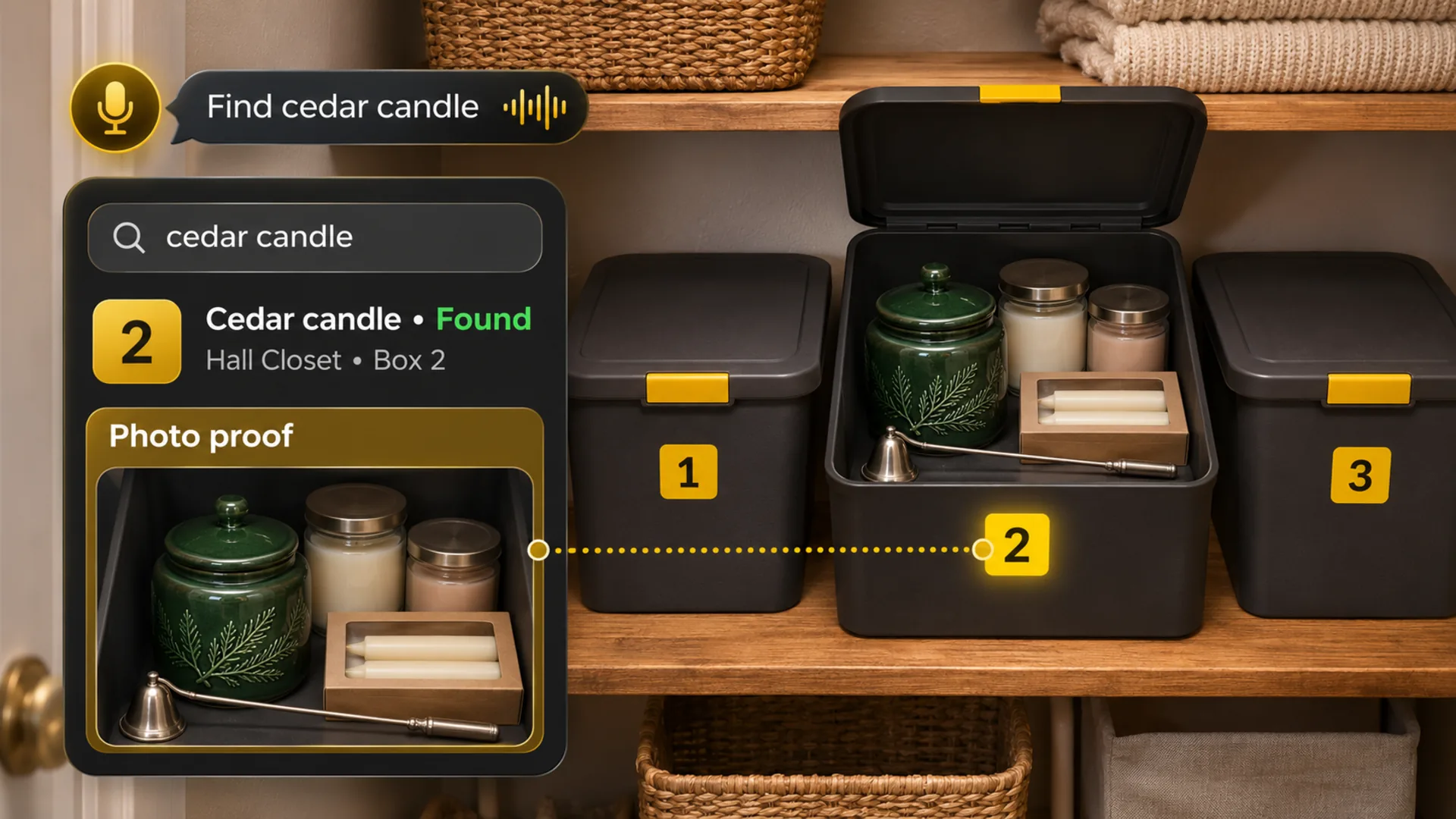
The cedar candle is not on the mantel, in the bathroom cabinet or behind the stack of holiday linens. You remember putting it away somewhere cool and sensible. But the house has three candle boxes, two drawers and a few jars still in their original cartons—and finding one scent means handling all of them.
Learning how to store candles starts with the wax, wick and vessel. Give candles a cool, dark, dry place with steady indoor conditions. Protect them from dust, direct light, heat and contact with other containers. Then divide the collection by the way you actually use it so one specific candle does not disappear into a deep seasonal box.
This guide covers ordinary finished candles stored at home. The product label and candle maker should control care for a specific wax, fragrance, vessel or decorative finish. Storage also does not replace fire-safety instructions, inspection before use or careful handling of glass containers.
Quick Links
The Quick Answer: How Should You Store Candles?
Store candles in a cool, dark, dry indoor location away from direct sunlight, heat sources and repeated temperature swings. Keep jar candles upright and covered when the maker's instructions support it. Store tapers or dinner candles flat and fully supported so they do not lean or warp. Use dividers, original cartons or individual protection to keep glass, wax and decorative surfaces from knocking together.
The National Candle Association's care guidance recommends a cool, dark and dry location and specifically says tapers or dinner candles should be stored flat. Manufacturer instructions may add product-specific limits. For example, Goose Creek's storage guidance tells customers to keep its candles upright, covered and away from fluctuating garages or attics.
That gives you the basic care rules. A usable household system needs one more answer: which cool, dark place holds the candle you want?
Choose the Storage Location First
A storage box cannot correct a bad location. Pick the shelf, cabinet or drawer before buying organizers.
Good starting locations
- An interior hall closet shelf away from a heater or sunny window.
- A bedroom cabinet or dresser drawer that stays dry and is not crowded.
- A shaded living-room cabinet with a stable shelf and enough clearance for upright jars.
- A pantry-adjacent cabinet only if it is away from the oven, dishwasher, hot pipes and food spills.
- An under-bed box in a temperature-controlled bedroom, if the box slides without tipping its contents.
Locations to reconsider
- A windowsill or open shelf in direct sunlight.
- A car, shed or attic where heat can build.
- A garage with large seasonal temperature changes.
- A damp basement shelf or a cabinet under a sink.
- A shelf above an appliance, radiator, fireplace or heat vent.
- A deep container where heavy jars sit on top of tapers, votives or fragile vessels.
Use the product's own care instructions when they are more specific. A maker may recommend a narrower temperature range, original packaging or a particular orientation for its candle. Do not turn one brand's instructions into a universal rule for every wax blend and vessel.
Store Each Candle Type Properly
Mixed collections fail when every shape is pushed into the same box. Separate the collection by physical needs first, then by scent or season.
| Candle type | Physical storage starting point | Suitable home location | Record that helps later |
|---|---|---|---|
| Lidded jar candle | Upright on a flat shelf; lid replaced only after the candle is completely cool; space between glass vessels | Interior cabinet or shallow lidded box | Scent, vessel color, season, box number and exact shelf |
| Unlidded jar candle | Upright with a clean protective cover or original carton approved by the maker | Closed cabinet away from dust and traffic | Scent, jar description and whether a cover is present |
| Taper or dinner candle | Flat, fully supported and protected from pressure or bending | Shallow drawer, rigid sleeve or flat box | Color, length, quantity and drawer or box location |
| Pillar or decorative candle | Individually protected so wax surfaces do not rub; orientation follows maker guidance | Stable shelf or divided box | Shape, color, finish and special handling note |
| Votives and tea lights | Kept together in original packaging or a small divided container | Shallow drawer or small lidded box | Quantity, color, scent and event or season |
| Wax melts | Sealed in their original packaging or maker-approved container | Cool interior drawer or cabinet | Scent, form, package and location |
| Flameless candle | Batteries removed for long storage if its manufacturer directs; accessories kept with the correct unit | Dry drawer or electronics-safe box | Size, color, remote and battery note |
Do not assume that wrapping material is harmless. Some finishes can pick up color, texture or residue from direct contact. When the original packaging is available and the maker recommends keeping it, that is often the easiest way to preserve a candle's identity and protection.
Jar candles
Keep jars upright on a stable surface and avoid glass-on-glass contact. A divider, original carton or a small gap between vessels prevents the jars from knocking when the drawer or box moves. Before lighting a stored candle, inspect the vessel and follow the maker's label. Do not use a jar that is cracked, chipped or otherwise outside the maker's safe-use instructions.
Tapers and dinner candles
Lay tapers flat with their full length supported. Do not lean them diagonally in a tall container or trap them beneath jar candles. Pair them by color and size, then keep each pair in its original sleeve or a separate protected channel.
Small candles and wax melts
Tea lights, votives and melts are easy to scatter across drawers. Keep them in smaller inner containers so the collection does not become one loose layer. Record how many are present only if you will actually update the count; a photo and a simple note such as six ivory tea lights can be more durable than a precise number that becomes stale after one dinner.
Build a Candle Collection You Can Use
The best organizing categories are based on retrieval, not a perfect scent taxonomy. Start with three layers.
A practical three-layer candle setup
Current rotation
The few candles you use this month, kept in an easy-to-reach cabinet or drawer.
Seasonal backstock
Holiday, autumn, spring or summer candles stored in one or two protected boxes.
Special and fragile
Keepsake vessels, decorative shapes and gifts that need individual protection or careful handling.
Within those layers, choose the one secondary detail you actually remember:
- Room or use: dining, guest room, patio dinner, birthday, emergency flameless lighting.
- Season: winter, spring, summer, autumn, holiday.
- Scent family: cedar, citrus, floral, unscented.
- Vessel: dark green ceramic, amber glass, white tin.
You do not need all four. If you naturally search by scent, record scent first. If you remember the dark green jar but not its fragrance name, record the vessel color too. A useful system accepts the way your memory works instead of forcing you to remember a retailer's collection name.
Keep the current rotation shallow
One row is easier to use than three hidden rows. If a cabinet must hold multiple rows, put the current rotation in front and the seasonal reserve behind it. Avoid stacking fragile jars unless the maker and packaging explicitly support it.
Rotate without inventing a shelf life
Move older purchases or already-opened candles to the front if that matches the maker's instructions. Do not assign a universal expiration date. Fragrance, wax, vessel and storage conditions vary, and a date printed in a general article does not override product-specific guidance.
Photograph the setup before closing it
A photo captures vessel color, shape and companions that a category label misses. Review the photo: remove receipts, addresses, gift notes or other personal information you do not want in a household record.
Protect Fragile Vessels and Special Candles
Some candles are kept for the vessel, the memory or a future occasion. Give those items individual protection rather than making the whole box more complicated.
- Keep the maker's carton, insert and care card when they are useful.
- Prevent ceramic, glass and metal vessels from rubbing one another.
- Do not put a heavy jar on top of a sculptural candle or a sleeve of tapers.
- Photograph a keepsake candle from an angle that makes the vessel identifiable.
- Add a short note for a gift, event or sentimental story, but keep sensitive personal details separate.
- If the candle is damaged, unusually old or has been exposed to extreme conditions, ask the maker whether it should be used.
Storage care and burn safety are different jobs. Before lighting, follow the candle's label and current manufacturer directions. The National Candle Association's safety guidance says to place burning candles on stable, heat-resistant surfaces, keep them away from flammable items, children and pets, and never leave them unattended. The U.S. Fire Administration also recommends keeping lit candles at least 12 inches from anything that burns and using flashlights rather than candles during a power outage.
Do not store matches or lighters loose inside an accessible candle box. Follow local household safety needs and keep ignition sources secured away from children.
Give Every Candle Box an Address
Once the physical care decisions are finished, make the layout repeatable.
Use a short location hierarchy:
- Room or zone: Hall Closet
- Furniture or shelf: Upper Shelf
- Container: Box 2
- Inner section: Current Winter Scents
For example:
| Item | Stable address | Useful note |
|---|---|---|
| Dark green cedar candle | Hall Closet • Upper Shelf • Box 2 | Current winter scents; lidded jar |
| Ivory dinner tapers | Dining Cabinet • Lower Drawer • Taper Sleeve | Pair stored flat |
| Battery candles and remote | Guest Room Cabinet • Box 1 | Remote stored in inner pouch |
The address should describe where the container lives now, not where it lived last year. If Box 2 moves from the hall closet to the bedroom cabinet, update the location at the same time.
Simple physical numbers work well because they do not become wrong when the candle assortment changes. Box 2 can stay Box 2 after cedar moves out and citrus moves in. The detailed contents belong in the record, where they are easier to update than a long handwritten category label.
For more examples of stable container identities, see how a simple home storage tote map works and why numbered labels are easier to maintain than changing sticky notes.
Make the Collection Searchable
At this point, the physical storage problem is solved. The candles have suitable conditions, each shape has appropriate support, fragile vessels do not knock together, and every drawer or box has a stable address.
Totely can add the digital memory layer:
- Put one simple visible number on each approved candle box, drawer or storage spot.
- Photograph the candles in their assigned sections.
- Let Totely create the first item list from what it can see.
- Review and edit the list so scent, color, vessel and candle type are accurate.
- Save the exact location, such as
Hall Closet • Upper Shelf • Box 2. - Search naturally later:
cedar candle,ivory tapersorbattery candles. - Confirm the number, location and photo proof before moving other boxes.
In this example, a search for cedar candle returns Box 2. The photo proof shows the same dark green jar beside two other lidded candles, a boxed pair of tapers and a metal candle snuffer. You can confirm the correct container before opening Box 1 or Box 3.
Totely does not decide whether a candle is safe to burn, identify wax or fragrance, set product-care conditions or replace the manufacturer's label. It helps you find the reviewed record you created. See the current Totely features for the supported number, photo, reviewed-item-list, saved-location, natural-search and photo-proof workflow.
If you use a candle or move it into the current rotation, update the record. A photo from last winter is not proof of what is in the box today.
Avoid Common Candle Storage Mistakes
Choosing the container before the location
A sealed bin on a hot attic shelf is still a poor storage setup. Choose the stable indoor location first.
Putting every candle upright
Jar candles are commonly stored upright, but the National Candle Association recommends storing tapers or dinner candles flat. Support each candle type appropriately.
Stacking heavy jars over delicate shapes
Weight and movement can damage wax surfaces, packaging and vessels. Use separate layers or dividers.
Writing only “Candles” on a deep box
That label does not tell you whether the cedar jar, ivory tapers or battery candles are inside. Add a stable box number and keep the specific details in a reviewed record.
Recording details you will not maintain
An exact count is helpful only when it stays current. Prioritize scent, color, candle type and location—the details most likely to help you retrieve the right item.
Assuming storage makes a candle safe
Storage can protect the item from ordinary dust, light, heat and knocks. It cannot verify a damaged vessel, replace instructions or remove the risks of an open flame.
Candle Storage FAQs
What is the best place to store candles at home?
Choose a cool, dark, dry interior cabinet, closet shelf or drawer with stable conditions and enough room for the candles to sit without pressure or contact. Avoid direct sunlight, heat sources, damp areas and locations with large temperature swings. Follow the maker's instructions for the specific candle.
Should candles be stored upright or flat?
Keep jar candles upright when the maker directs. Store tapers or dinner candles flat and fully supported to reduce warping, as recommended by the National Candle Association. Decorative and unusual shapes may need product-specific guidance.
Can I store candles in the garage or attic?
Garages and attics can experience heat, cold and temperature swings that are unsuitable for many candles. A stable indoor cabinet or closet is usually a better starting point. Check the product's care instructions rather than relying on a universal temperature limit.
How do I organize a large candle collection?
Separate the current rotation, seasonal backstock and fragile or special candles. Within each layer, group by the detail you naturally remember—room, season, scent or vessel—while keeping each candle type physically supported.
How do I keep track of candles stored in several boxes?
Give each box or drawer a simple number, photograph the reviewed contents and save its exact room, shelf and container location. Record scent, color and vessel details that help you search later, and update the record whenever a candle moves. A one-container test is enough to prove the workflow before cataloging the full collection.
Start With One Candle Box
Choose the box or drawer that causes the most searching. Move it to a suitable indoor location, separate jars from tapers, protect the vessels and give the container a simple number.
Then photograph the reviewed contents, save the exact location and search for one real item—such as the cedar candle—before opening another box.
That one successful retrieval is more useful than reorganizing the entire collection without a return rule. It can also help you check what you already own before buying another seasonal candle.