Gift Wrap Storage Ideas: Fit the Rolls and Find the Supplies
Choose gift wrap storage ideas that fit long rolls, reusable bags and little supplies. Keep paper usable, find the right case and reset after wrapping.
By Steve Watts · Co-Founder, Totely
October 15, 2026 · Updated October 15, 2026 · 11 min read
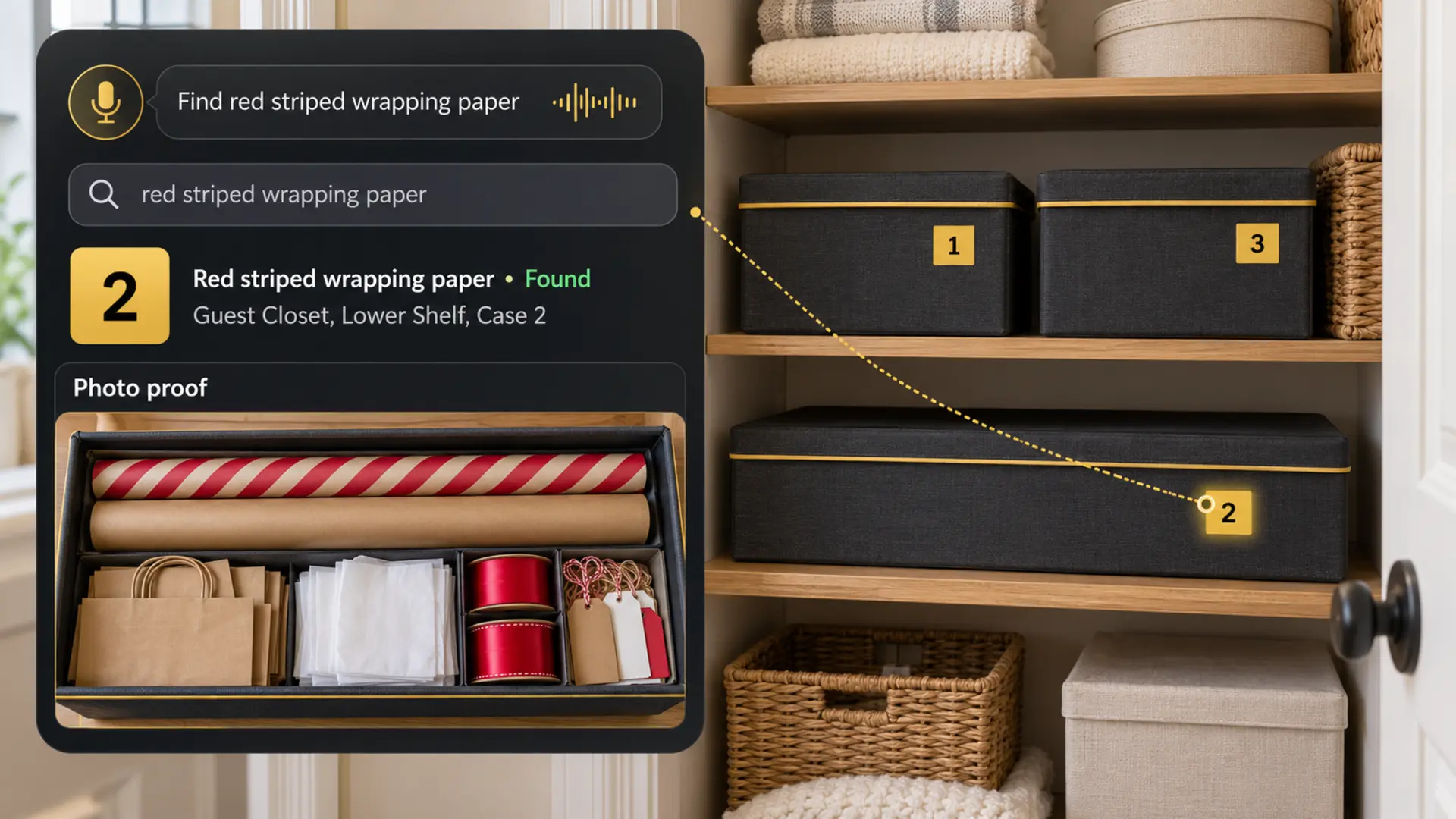
The birthday present is ready. The wrapping paper is not. You remember a red striped roll, but the first bag holds Christmas tissue, the second holds empty tubes, and the tape has gone somewhere else.
Useful gift wrap storage ideas solve more than the long-roll problem. They keep paper supported, bags easy to browse and small tools together. They also leave you knowing what went back after the last wrapping session, so a nearly empty roll does not masquerade as a full one.
Start with the supplies you actually have. You may need a long case for rolls and a small box for accessories, not an entire wrapping room or a matching set of organizers.
Quick Links
Choose Gift Wrap Storage Ideas by Your Space
Gather rolls, loose sheets, bags, ribbon, bows, tags and wrapping tools before choosing a container. Set aside empty tubes and damaged materials rather than counting them as usable supplies. Keep any meaningful paper or family keepsake separate from ordinary consumable wrap.
Then choose a setup around how often you wrap and where you have room to work.
| Storage setup | A useful choice when | Check before committing |
|---|---|---|
| Long, shallow lidded case | You wrap occasionally and want rolls out of sight | Longest roll fits inside; lid closes without pressure; case comes out easily |
| Sturdy upright holder | A closet has a narrow, accessible floor space | Base is stable; rolls stay supported rather than leaning across the doorway |
| Purpose-made hanging organizer | You have suitable door or closet-rod space | Pockets support the contents; loaded organizer fits and the door still works |
| Long drawer with small dividers | Existing furniture has enough usable length | Rolls fit straight; dividers leave room for bags and small supplies |
| Portable box plus a separate roll case | Small accessories fit together but long rolls do not | Both containers have a clear home and can be carried comfortably |
| Wrapping cart or fixed station | You wrap often enough to keep supplies readily available | Cart has a parking spot; rolls stay contained; the work surface remains usable |
There is no prize for squeezing every supply into one container. If a tall roll fits poorly in your accessory box, give it a suitable separate home. What matters is being able to find both parts of the kit.
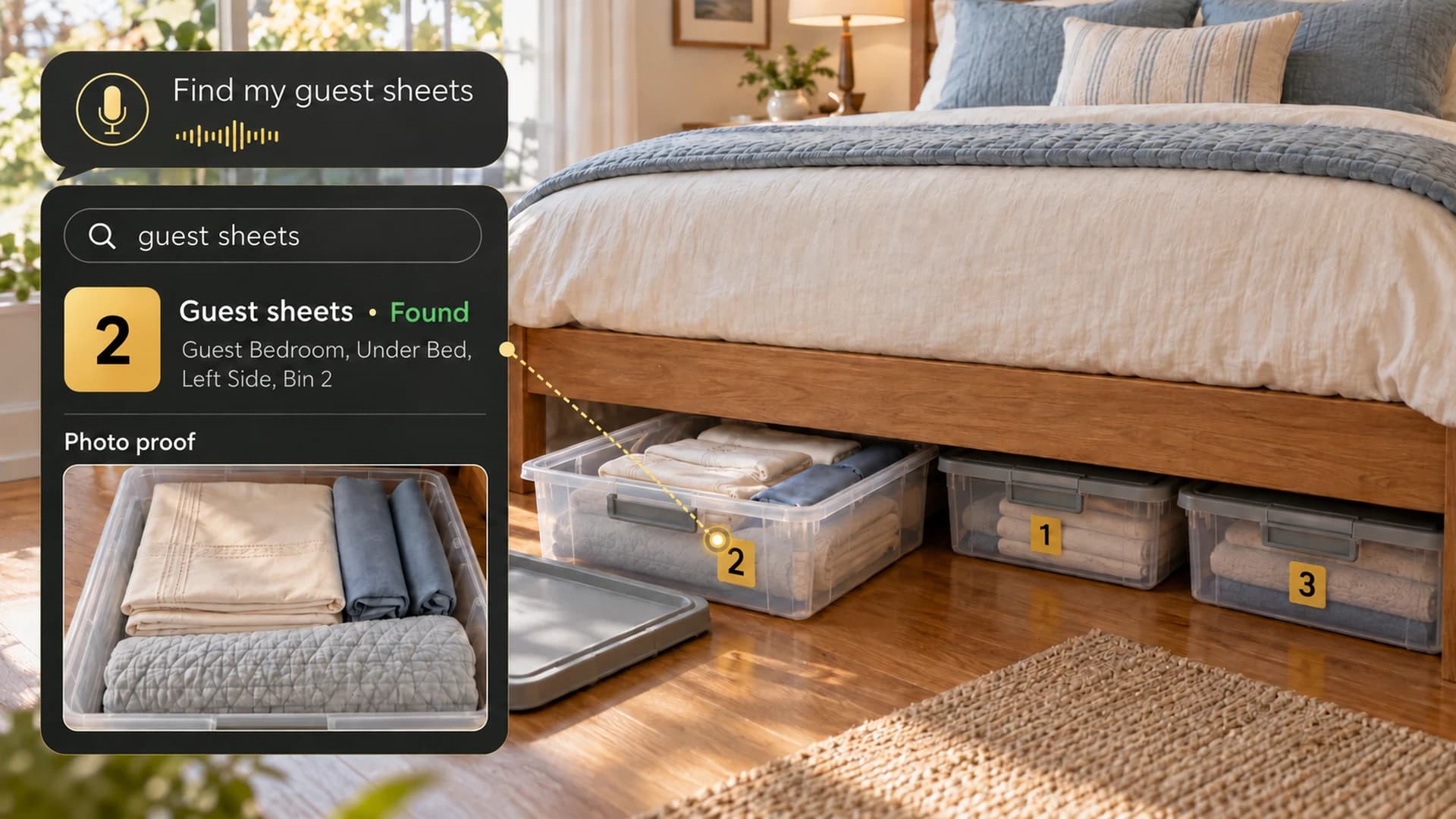
For under-bed storage, use the under-bed bin guide to check the pull-out path as well as the height beneath the bed.
Measure the Roll and the Way Out
An organizer's advertised roll count does not tell you whether your longest roll fits. Measure the actual paper tube from end to end, including any projecting ends. Compare it with usable interior space, not just the case's exterior dimensions.
Check a candidate container with one awkward roll before buying several. The lid should close normally. Do not bend the roll, squash an end or remove useful compartments merely to make a size claim work.
| Fit check | What to measure or try | A sign to choose another setup |
|---|---|---|
| Roll length | Actual tube length against clear interior length | Ends press against the case or the roll must sit bent |
| Full roll thickness | Space beneath the closed lid or inside the pocket | Lid or straps compress the paper |
| Flat supplies | Largest bag or sheet against the usable compartment | You must add an unwanted fold to make it fit |
| Retrieval space | Full drawer opening, case pull-out path or door swing | Another heavy container must move every time |
| Loaded handling | Lift and return the filled kit normally | Container sags, tips or feels awkward to carry |
A soft hanging bag may behave differently when loaded than it does lying empty on a table. Try removing and returning one roll in the position where you plan to store it. If the whole bundle collapses or shifts, change the support or container.
For door-mounted racks and shelves, follow the current maker's installation and load instructions. Check mounting suitability, door clearance and any renter restrictions. A storage idea photographed online is not evidence that a particular hook will support your loaded organizer.
Give Bags, Tissue and Bows Different Support
Long rolls, flat bags and shaped bows do not benefit from being packed the same way.
Keep paper rolls from opening into each other
For everyday wrap, use a loose, smooth paper sleeve or a suitable gentle restraint around the roll. Check that it holds the edge without denting the paper or catching the finish. Avoid sticking tape directly onto a decorative surface you want to use later.
Lay rolls in a supported row or stand them in a stable holder. Keep heavy boxes off exposed paper ends. If you prefer a dispenser, check that the roll can be changed without dismantling the whole station.
Browse gift bags by usable size
Flatten reusable bags along their existing folds and group them in a shallow box, supported file-style row or suitable hanging pocket. Keep handles from tangling across neighboring bags. Leave room to remove one without pulling out the entire stack.
Use groups that help you choose: small bags, larger bags and narrow bottle bags may be more useful than a strict rainbow. A bag's opening and base matter as well as its height. If a particular gift must fit, check the actual bag rather than relying on a photo or a size nickname.
Keep soft paper and shaped decorations apart
Give tissue paper a flat, supported section where tools and ribbon spools cannot press into it. A shallow compartment can hold bows without crushing their loops. Keep ribbon wound on its spool or loosely gathered in a way that lets you take one length without tangling the rest.
Put tape, tags, pens and closed scissors in a small tray or pouch. Keep sharp tools appropriately secured and out of children's reach. Store them so they cannot slide into the paper when the kit moves.
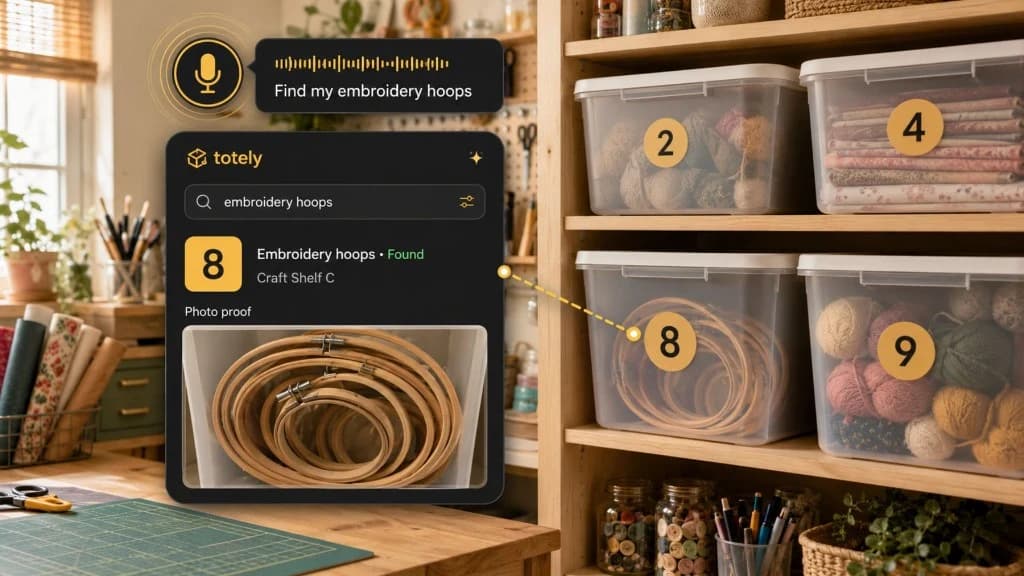
If wrapping shares space with sewing, vinyl or unfinished projects, the craft storage guide covers the wider supply system. You can keep this kit focused on what you use to wrap a gift.
Choose a Suitable Storage Spot
Choose a clean, dry interior spot where the materials will not be exposed to leaks, strong sunlight or a crushing stack. Keep everyday wrapping accessible through the year, even if Christmas-only supplies go farther back.
For paper you are preserving as a keepsake, the National Archives' storage guidance advises avoiding damp or hot storage areas and using housing that fits without bending or overfilling. That guidance concerns family archives, not a requirement to treat every new gift-wrap roll as a museum object. Seek appropriate preservation advice for fragile or irreplaceable paper.
An ordinary lidded case should not be assumed waterproof or archival. Choose the environment first, then suitable housing. If a roll or bag is damp or visibly damaged, address that problem rather than closing it into the clean kit.
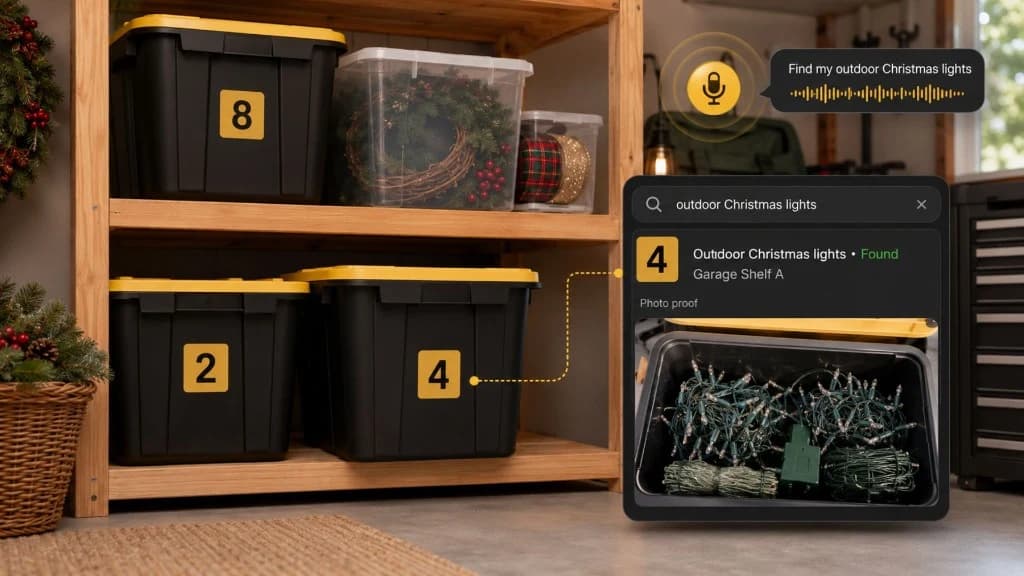
Keep wrapping supplies distinct from bulky holiday equipment. The Christmas decoration bin guide covers lights, ornaments and other seasonal groups that should not bear down on your paper.
Connect the Containers With a Simple Map
Give each case a large visible number. The specific contents can live in a paper index or searchable record rather than a long list on the outside.
Here is an example, not a requirement to create three containers:
| Container | Exact home | Useful contents note |
|---|---|---|
| Case 1 | Guest Closet, Upper Shelf, Left | Spare flattened gift bags, grouped by usable size |
| Case 2 | Guest Closet, Lower Shelf | Red striped wrapping paper, kraft roll, small bags, tissue, red ribbon and tags |
| Case 3 | Guest Closet, Upper Shelf, Right | Holiday-only bags and spare wrapping accessories |
For Case 2, save the full address as “Guest Closet, Lower Shelf, Case 2.” Add a short internal note if needed: “Tags in the small end compartment.” If your tape lives in a separate drawer, write that location too.
Describe the pattern the way you remember it. “Red striped wrapping paper” gives you something more specific to look for than “gift supplies.” A quick photo of the open kit helps confirm the contents, but a picture of a roll does not establish how much paper remains.
Reset the Kit After Wrapping
Before putting the kit away, decide what actually returned. Remove empty tubes, gather reusable materials and return the tools to their places. Keep only remnants you expect to use; a growing pile of tiny scraps can make useful sheets harder to find.
If a roll is nearly finished, add a plain note such as “short remainder; check before wrapping a large box.” Measure it if a specific project needs a known size. Do not guess a precise length from the outside of the roll.
A short strip can still have a use. Hallmark's gift-wrap ideas include using a remnant as a decorative band around a package. Keep those pieces separate from paper you expect to cover a whole gift.
Refresh the photo or contents note when the kit changes substantially. Update the saved location if you move it. The storage-bin tracking guide explains how to keep that small maintenance habit manageable.
How Totely Helps
The case protects the materials. Totely adds the digital memory layer for finding them again.
Number Case 2 and photograph the visible contents before closing it. Let Totely suggest a first item list from the photo, then review and correct it. Add details the photo cannot show, such as a short remainder or paper tucked beneath a bag. Save “Guest Closet, Lower Shelf, Case 2” as the exact location.
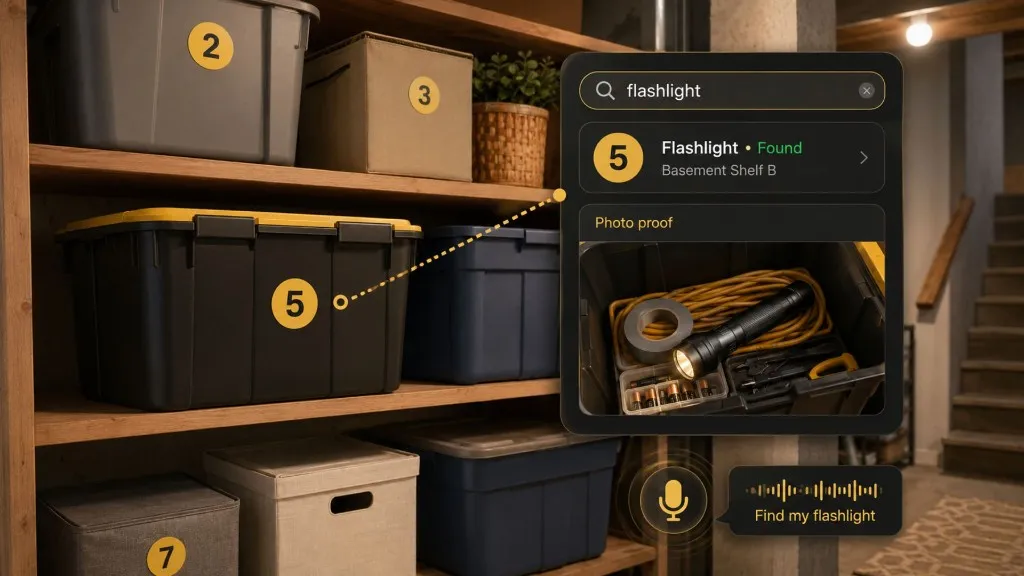
Later, search naturally by voice or typing for “red striped wrapping paper.” Use the saved location and photo proof to choose the right case before opening everything.
The record still needs you. AI cannot see hidden sheets, know that someone used the last ribbon, or establish the remaining paper's dimensions from this overview. Update those details yourself. No QR codes, barcodes or manual entry of every tag are needed to start.
The One-Kit Starter Method
Try this with the kit you already reach for:
- Gather the supplies for one ordinary gift-wrapping session.
- Check your longest roll against the container's usable interior.
- Separate flat bags and tissue from tools, spools and bows.
- Give the container a simple visible number.
- Take one clear photo while the contents are visible.
- Record its exact home and a few memorable contents.
- Find one named item using the record, then return it to its place.
- After your next wrapping session, update anything that changed.
If rolls and accessories need separate containers, record both homes. Start with the One-Tote Test rather than cataloging every roll at once.
Gift Wrap Storage FAQs
Is it better to store wrapping paper upright or flat?
Either can work. Upright storage needs a stable holder and enough support to keep rolls from falling over. Flat storage needs sufficient interior length and protection from weight above it. Try removing and returning your actual rolls before choosing.
How do I choose a case for extra-long wrapping paper?
Measure the full roll and compare it with clear interior length, including any dividers. Check thickness, lid closure and the space needed to pull the case out. A quoted roll capacity is not a substitute for fit.
How should I store reusable gift bags?
Flatten them along existing folds and use a suitably sized shallow box, supported row or hanging pocket. Group by the sizes or occasions you actually search for, and avoid trapping handles between neighboring bags.
Can gift wrap go under the bed?
Yes, if the location is suitable and the filled case fits. Check the height, length, pull-out path and whether you can open it comfortably. Keep flat supplies supported and avoid forcing long rolls into a short case.
What should I do with partially used rolls and loose sheets?
Keep useful remnants in a distinct section and note when a roll is nearly finished. Measure the remaining piece if a gift needs a specific size. A photograph can help identify a pattern, but not reliably establish the amount available.
Do I need a dedicated gift-wrapping room?
No. A suitable roll case and a small accessory box can be enough. Give both an exact home, keep everyday supplies accessible and reset them after use. Add a cart or station only if it fits the way you wrap.
Make the Next Gift Easier to Wrap
Pick one awkward roll and one bag you want to reuse. Give them support that fits, put the small supplies nearby, and record where everything returns. The next time you need the red striped paper, you will have a useful place to start.
Stored, not lost.